REPUBLIC OF THE PHILIPPINES
All content is in the public domain unless otherwise stated.


Philippine Standard Time:
The Philippine International Convention Center is Asia’s first international convention center, known for showcasing Filipino culture and excellence into every event it brings to life. We are committed to providing guests with an event experience that is done with quality, innovation, and sustainability.
Let our spaces be the blank canvas for your next greatest moment.
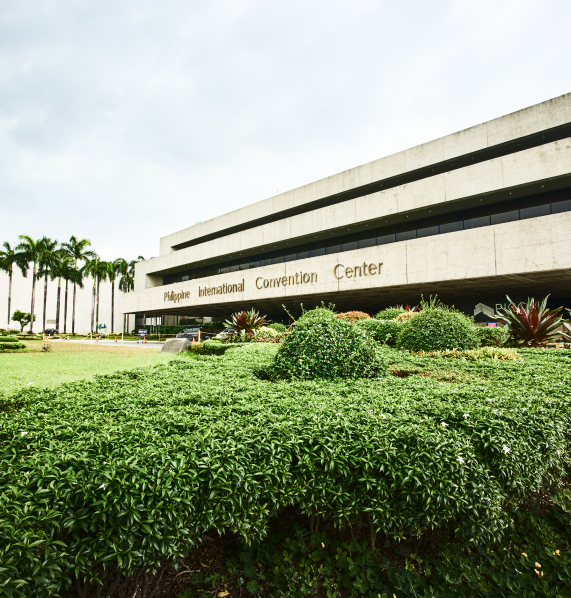
Designed by renowned Filipino National Artist, Leandro V. Locsin, the PICC formally opened on September 5, 1976. The architectural marvel houses the works of various Filipino master artists in painting and sculpture, and is even regarded as a work of art in itself—one of the country’s prime examples of brutalist architecture.
Throughout the years, the PICC has hosted countless notable and prestigious events such as the Miss Universe Pageant, World Bank’s International Monetary Fund Annual Meeting, the APEC Summit, ASEAN Summit, World Law Conference just to name a few. It has also set the stage for various international acts, from Luciano Pavarotti, the Bolshoi Ballet, Janet Jackson, Michael Buble, Josh Groban, Ricky Martin, Burt Bacharach, to Lea Salonga.
Today, it continues to be the preferred venue for large-scale events and intimate gatherings alike, from political summits, conventions, and concerts, to milestone celebrations like graduations, weddings, and anniversaries.
International Monetary Fund-World Bank Meeting
On October 4,1976, the Philippines hosted the Annual Meeting of the Board of Governors of the World Bank and the International Monetary Fund at the PICC. Over 4,600 delegates attended the PICC’s first major event.

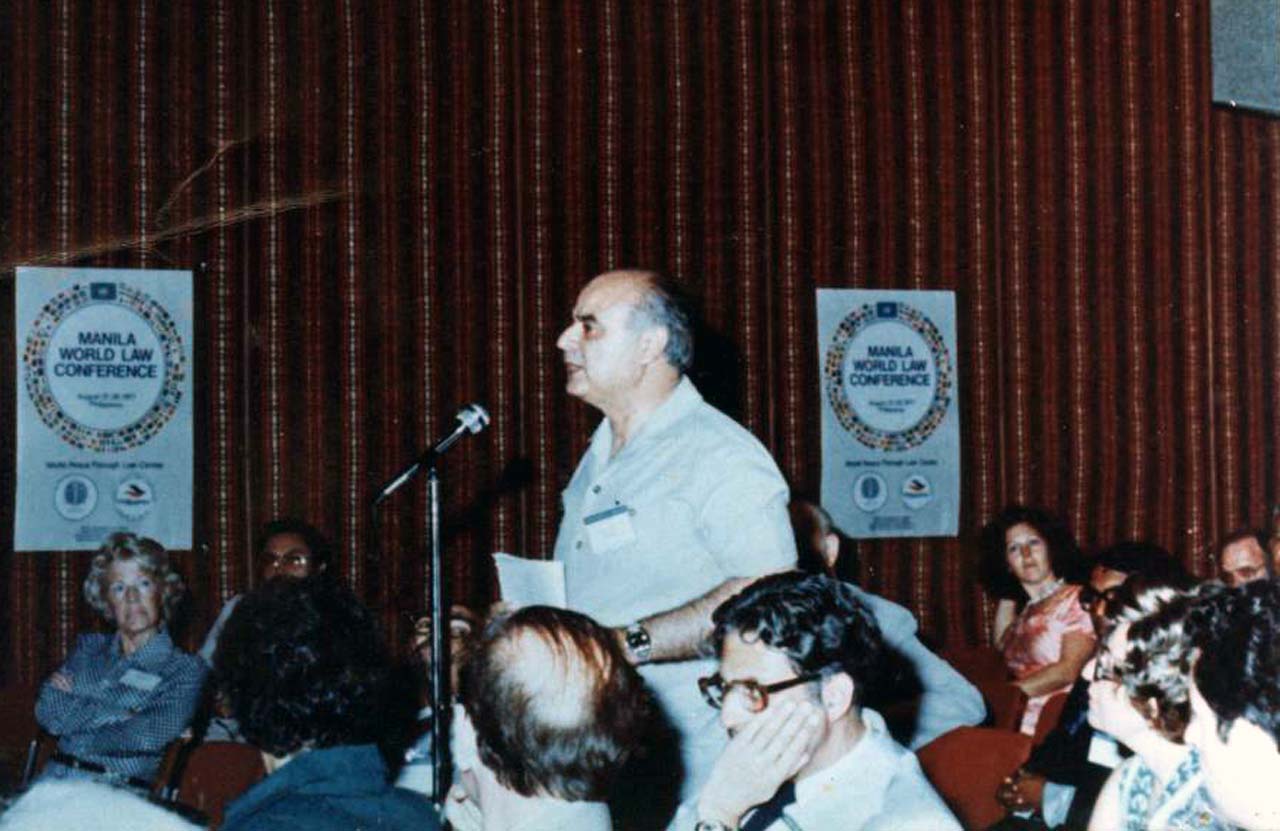
World Law Conference
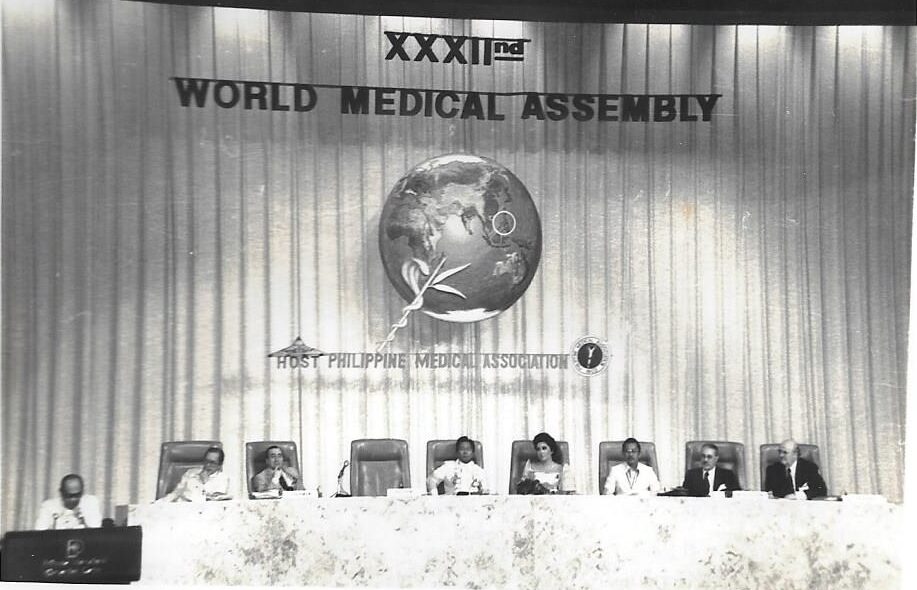
XXXII World Medical Assembly
November 14 to 18, 1978
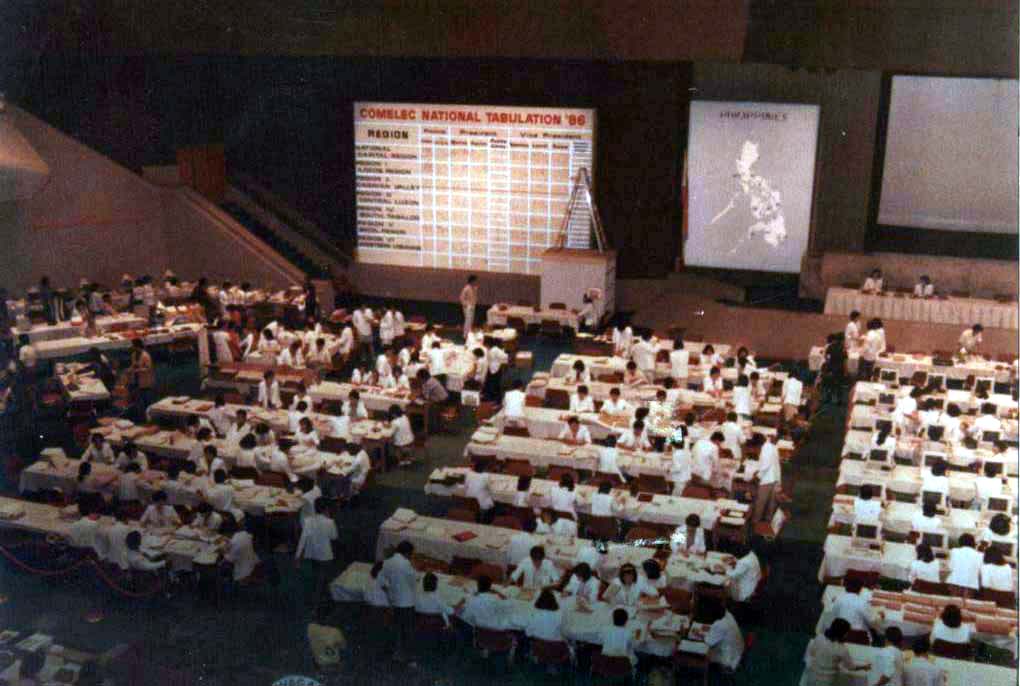
COMELEC Canvassing of the Presidential Snap Elections
The Commission on Election’s canvassing of the snap presidential elections was held at the PICC Plenary Hall in February 1986. This is where the COMELEC tabulators walkout took place – which was said to have triggered the People Power Revolution.
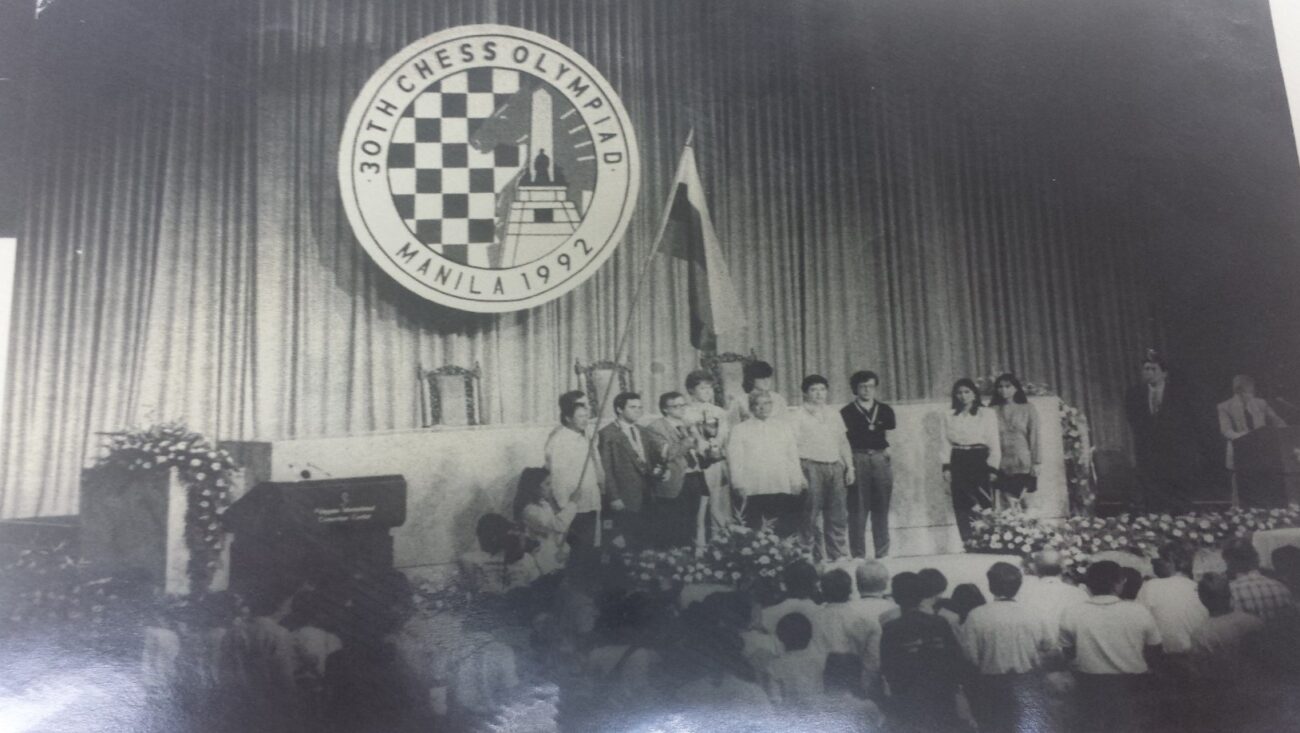
30th Chess Olympiad
The 30th Chess Olympiad was held from June 7 to 25, 1992. It was organized by Federacion Internationale de Echecs (FIDE) and comprised of an open and a women’s tournament.
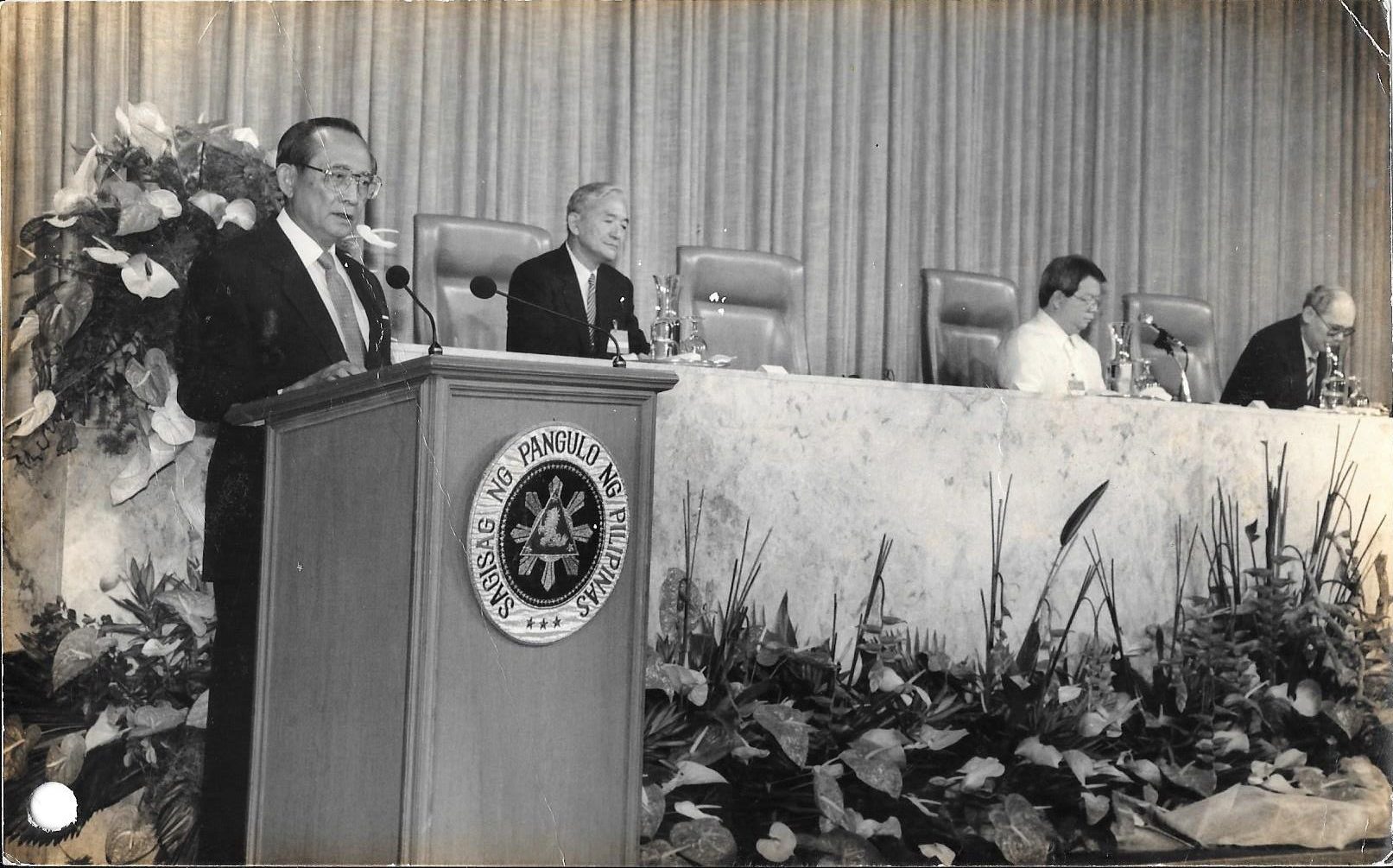
Board of Governors 26th Annual Meeting of the Asian Development Bank
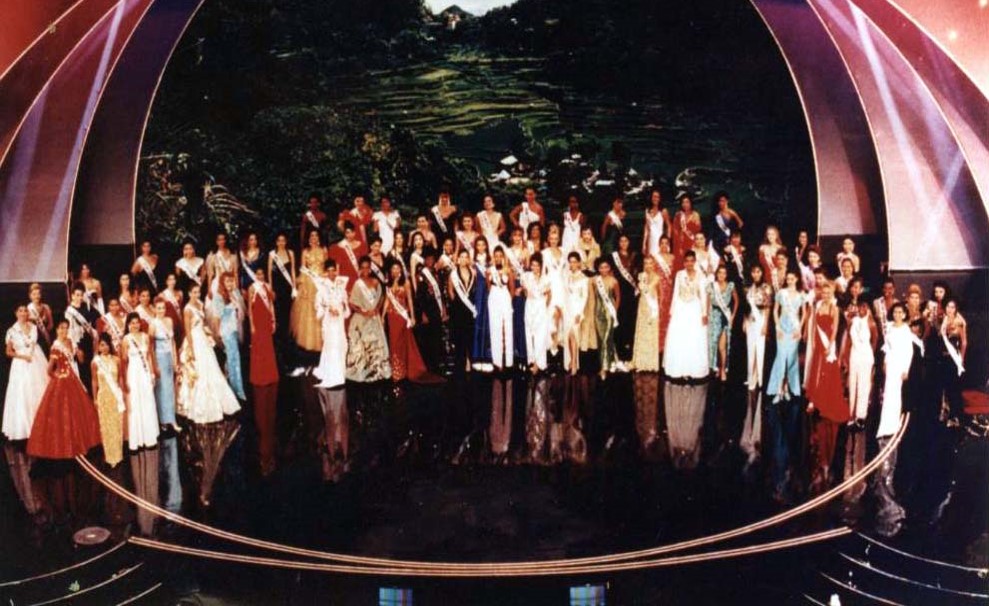
Miss Universe
The Philippines hosted the Miss Universe pageant for the second time, the first being in 1974. Sushmita Sen of India was chosen as the winner among 77 contestants.
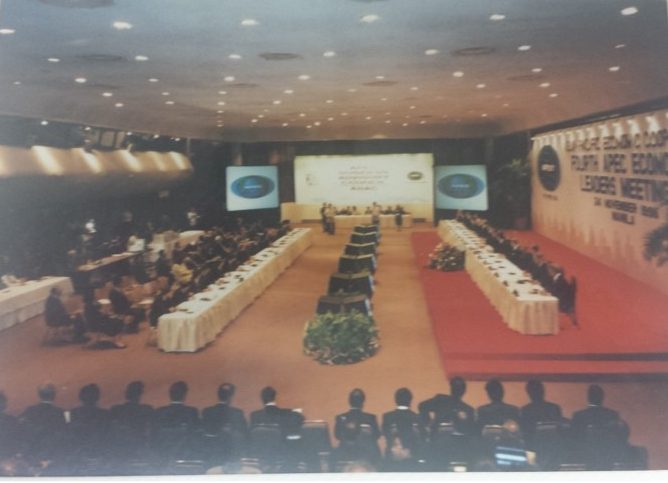
Asia Pacific Economic Cooperation Meetings
The PICC was one of the 4 Philippine venues of APEC Philippines 1996 , a series of meetings among the member of the Asia-Pacific Economic Cooperation. Held on November 24 to 25, 1986, it was the eighth APEC meeting in history and the first held in the Philippines.
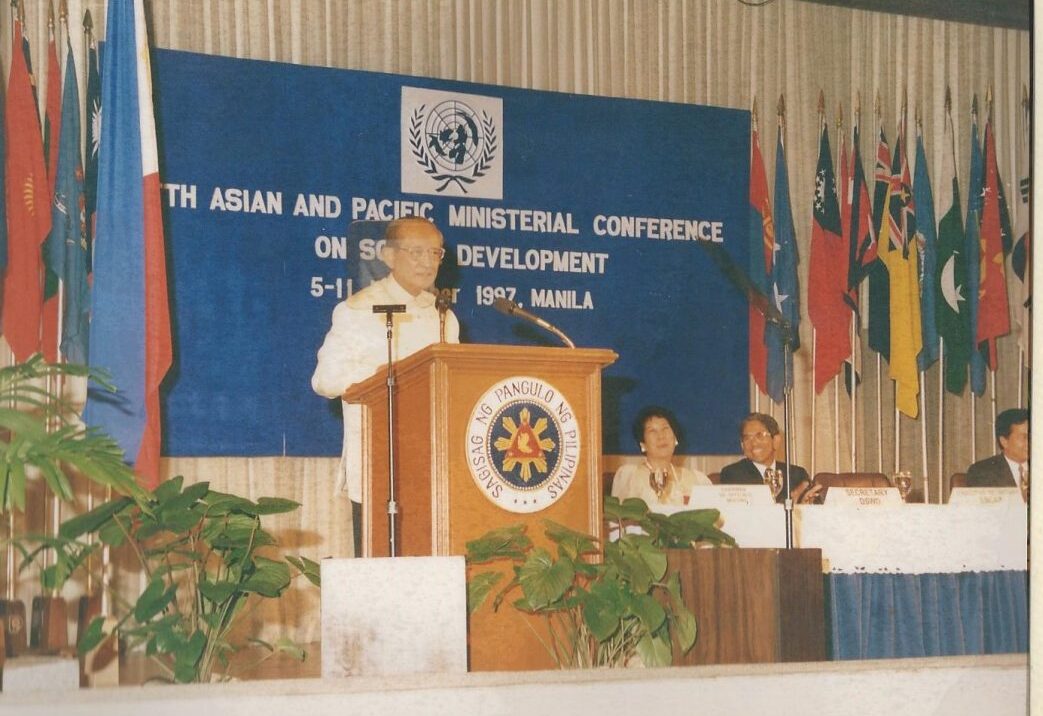
5th ASEAN and Ministerial Conference on Social Development
Ad Asia
The 20th congress of the Asian Federation of the Advertising Associations was held from November 12 to 15, 1997.
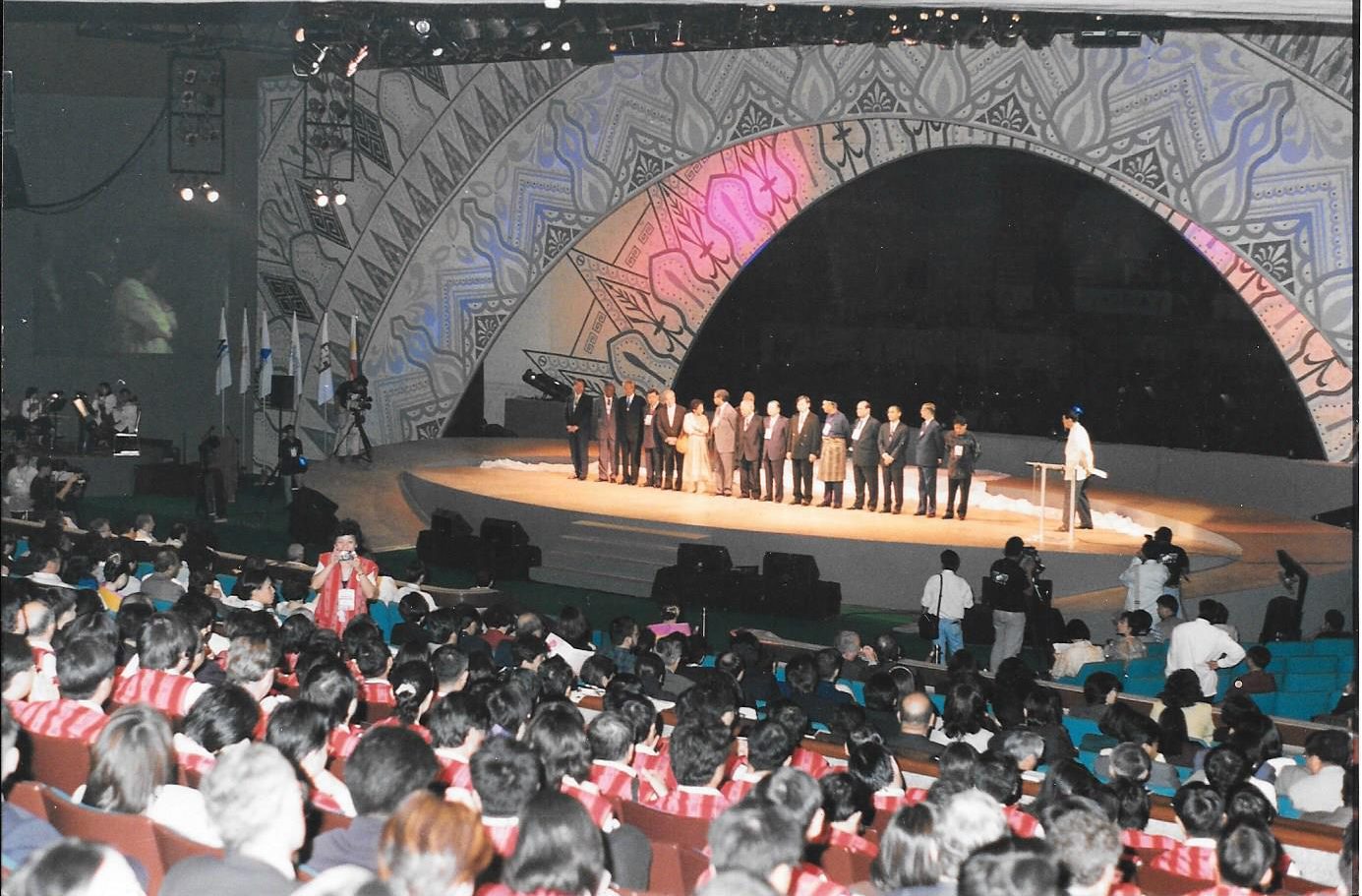
World Meeting of Families
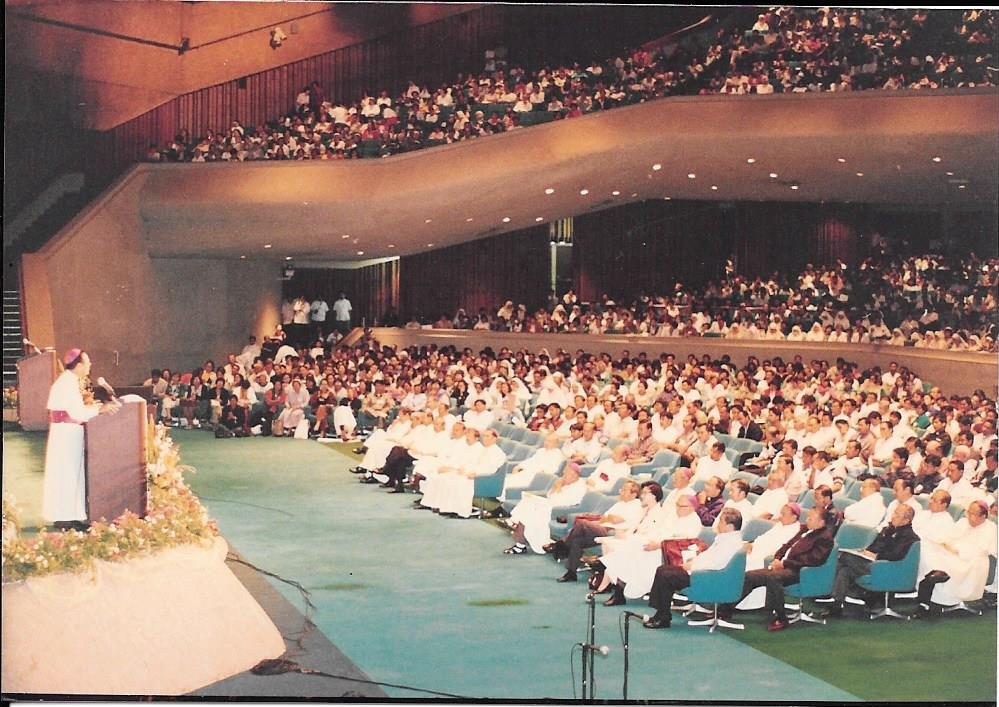
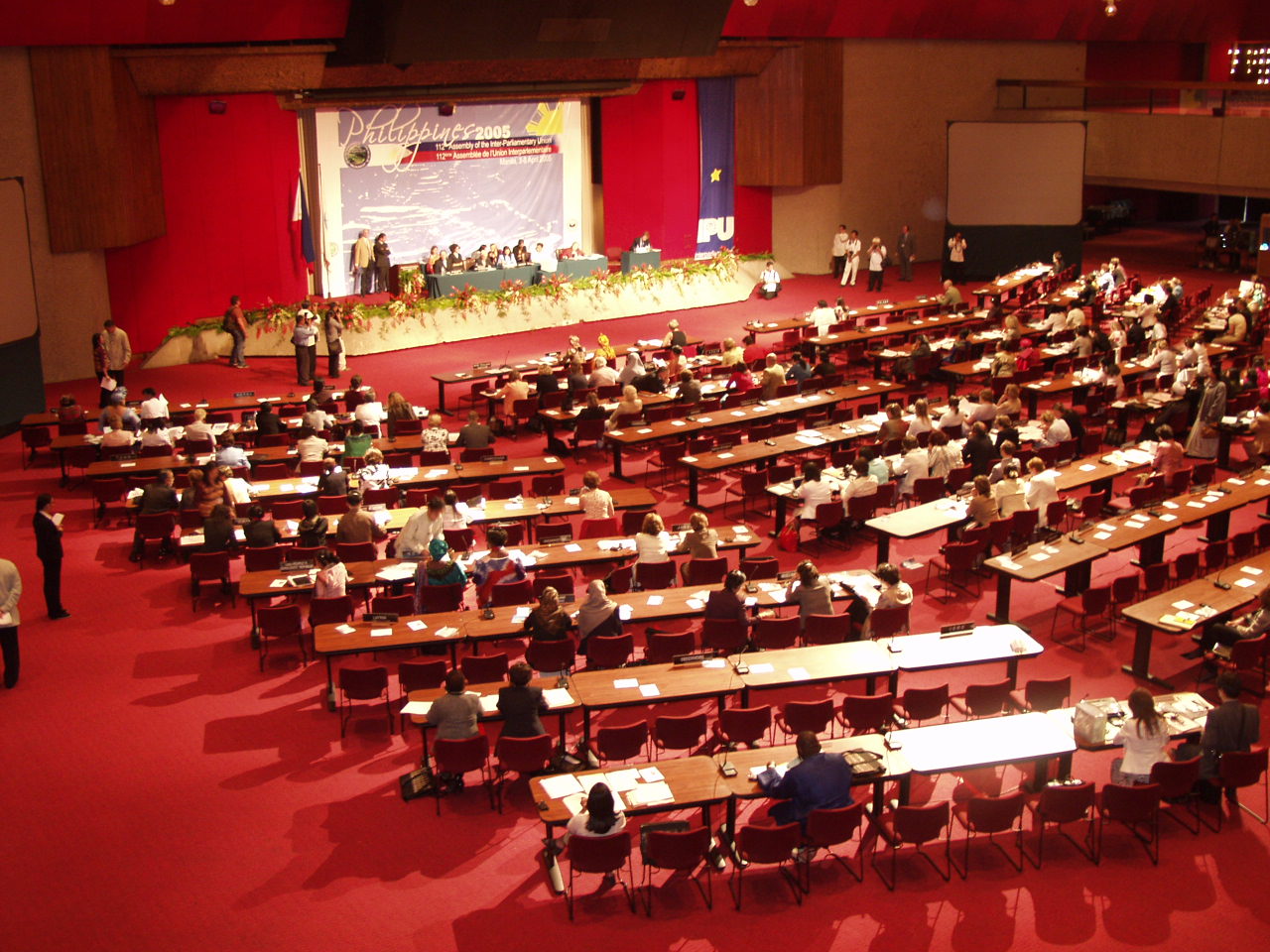
Inter Parliamentary Union
The 112th Interparliamentary Union assembly, with the overall theme of “the impact of domestic and international policies on the situation of women”, was attended by delegates from 120 member parliaments. It was held from April 3 to 8, 2005.
Josh Groban Live at PICC
American balladeer Josh Groban had a sold-out concert at the PICC Plenary Hall on October 18, 2007.

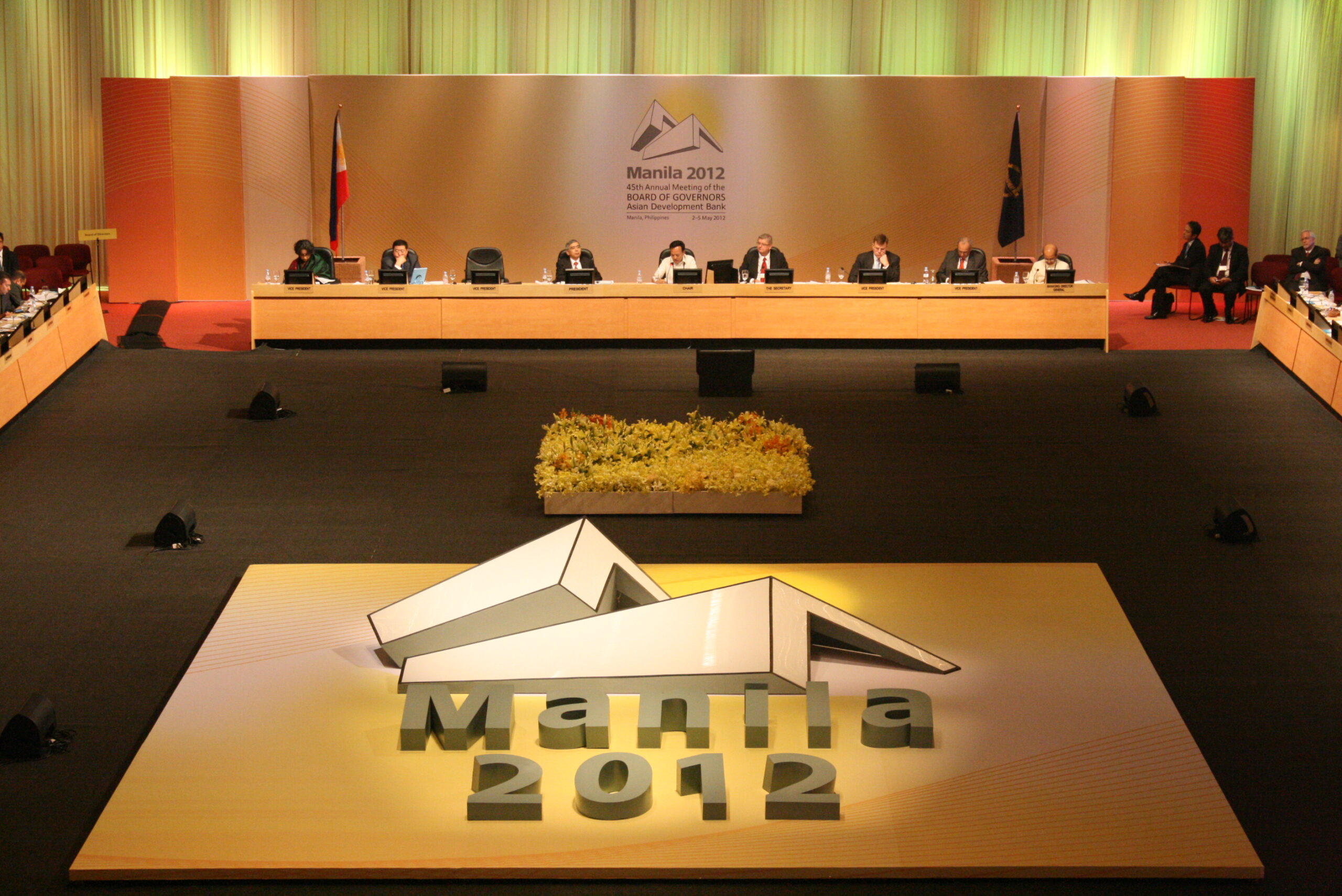
45th Annual Meeting of the Board of Governors of the Asian Development Bank
The Asian Development Bank’s 45th Annual Governors’ Meeting from May 2 to 5, 2012 was attended by around 5,000 of the most prominent names in the business world, which included finance ministers and other key policymakers, business leaders, and academics. The meeting carried the theme of “Inclusive Growth through Better Governance and Partnerships” and provided a platform for discussing how best to pursue inclusive growth.
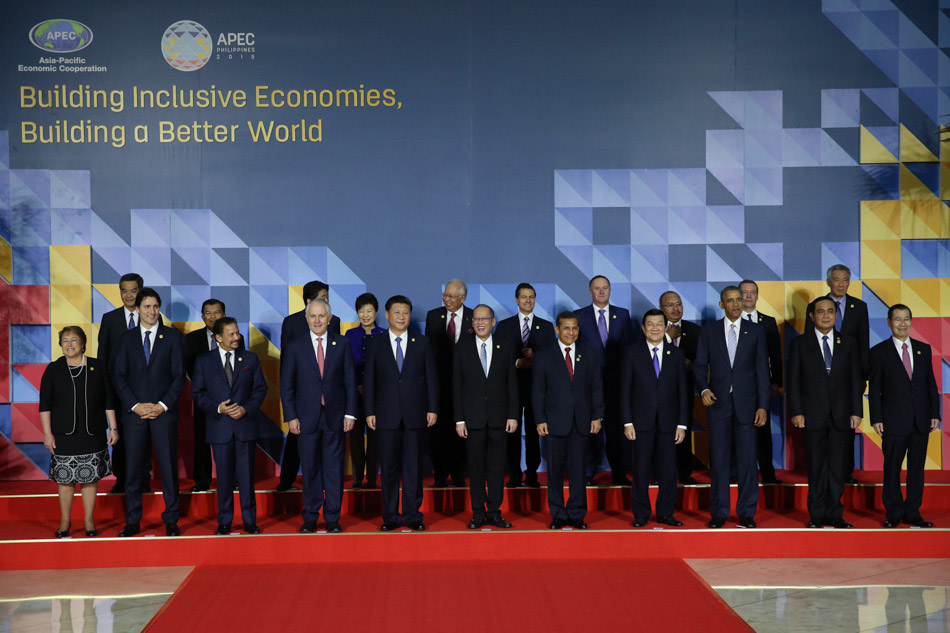
APEC Economic Leaders Meeting
Members of the Asia Pacific Economic Cooperation convened at the PICC from November 18 to 19, 2015 with the aim of promoting and advancing economic growth in the Asia-Pacific region. It was the Philippines’ second time to host the APEC Meetings.
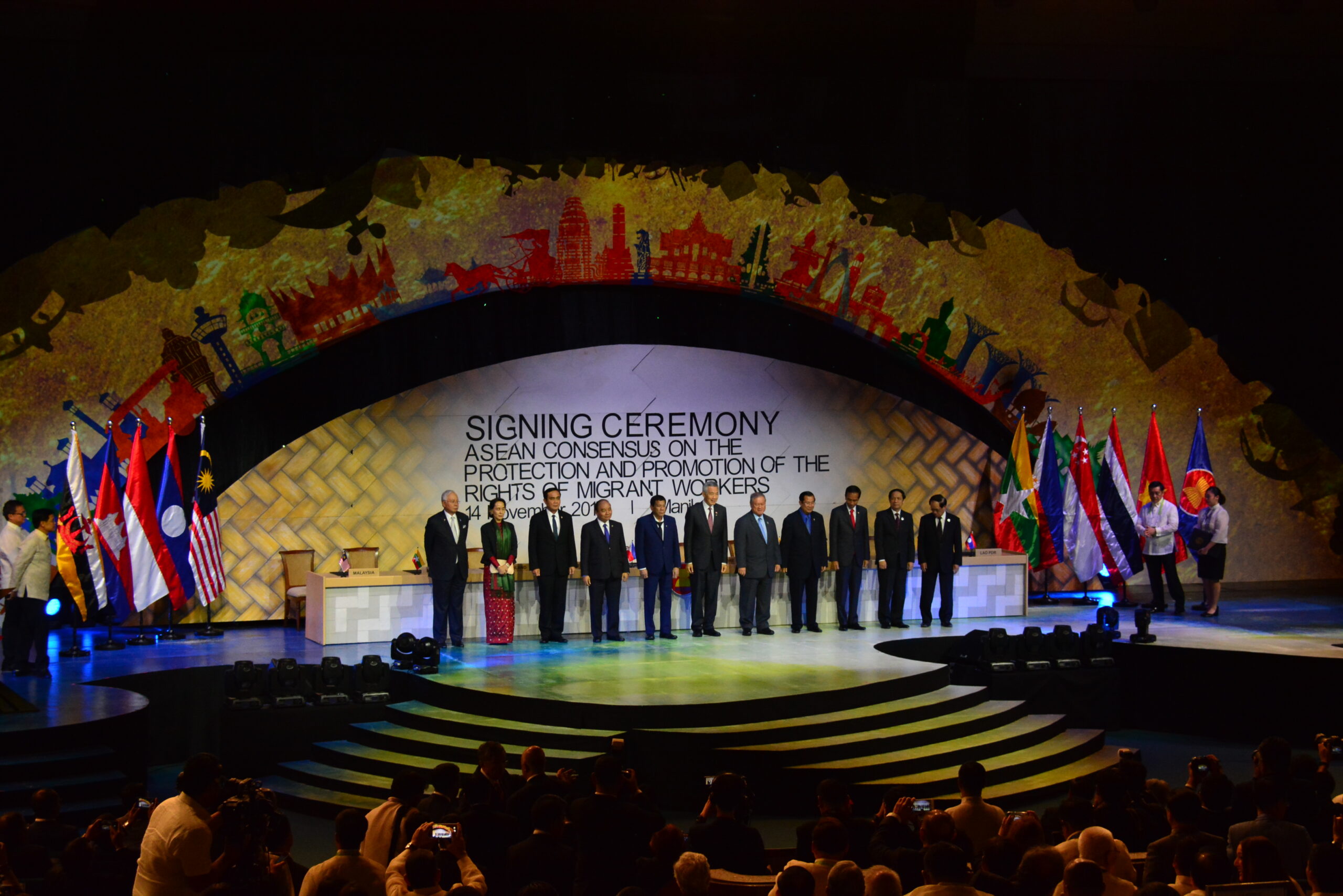
30th and 31st ASEAN Summit and Related Meetings
The 2017 ASEAN Summits or the 30th and 31st ASEAN Summits were hosted by the Philippines from April 28 to 29 and November 10 to 14, 2017. This was the third and fourth time the ASEAN Summit was held in the country.
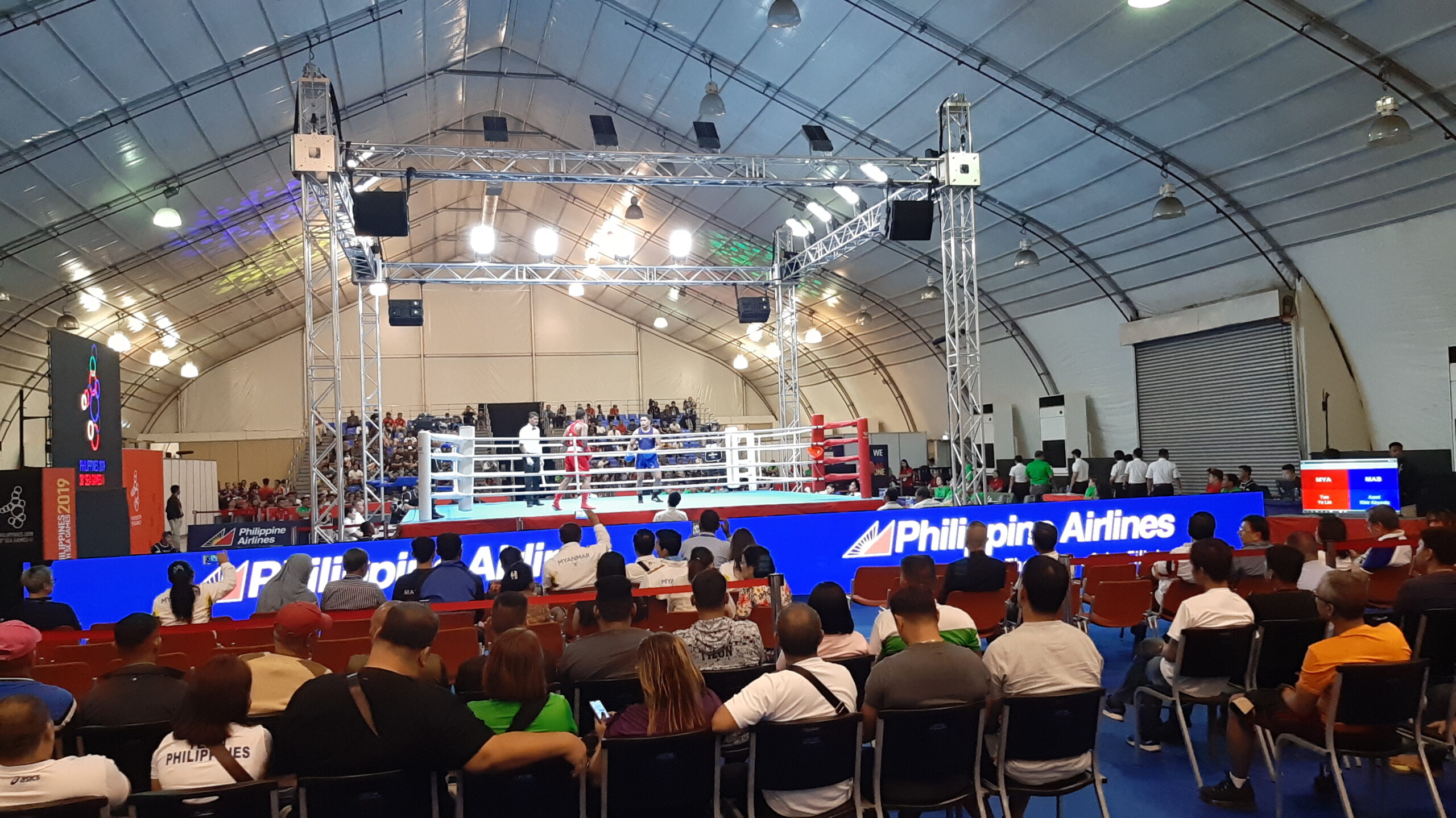
South East Asian Games Boxing Competition
Official Public Declaration of the Philippine International Convention Center and its 4 Intrinsic Artworks as National Cultural Treasure
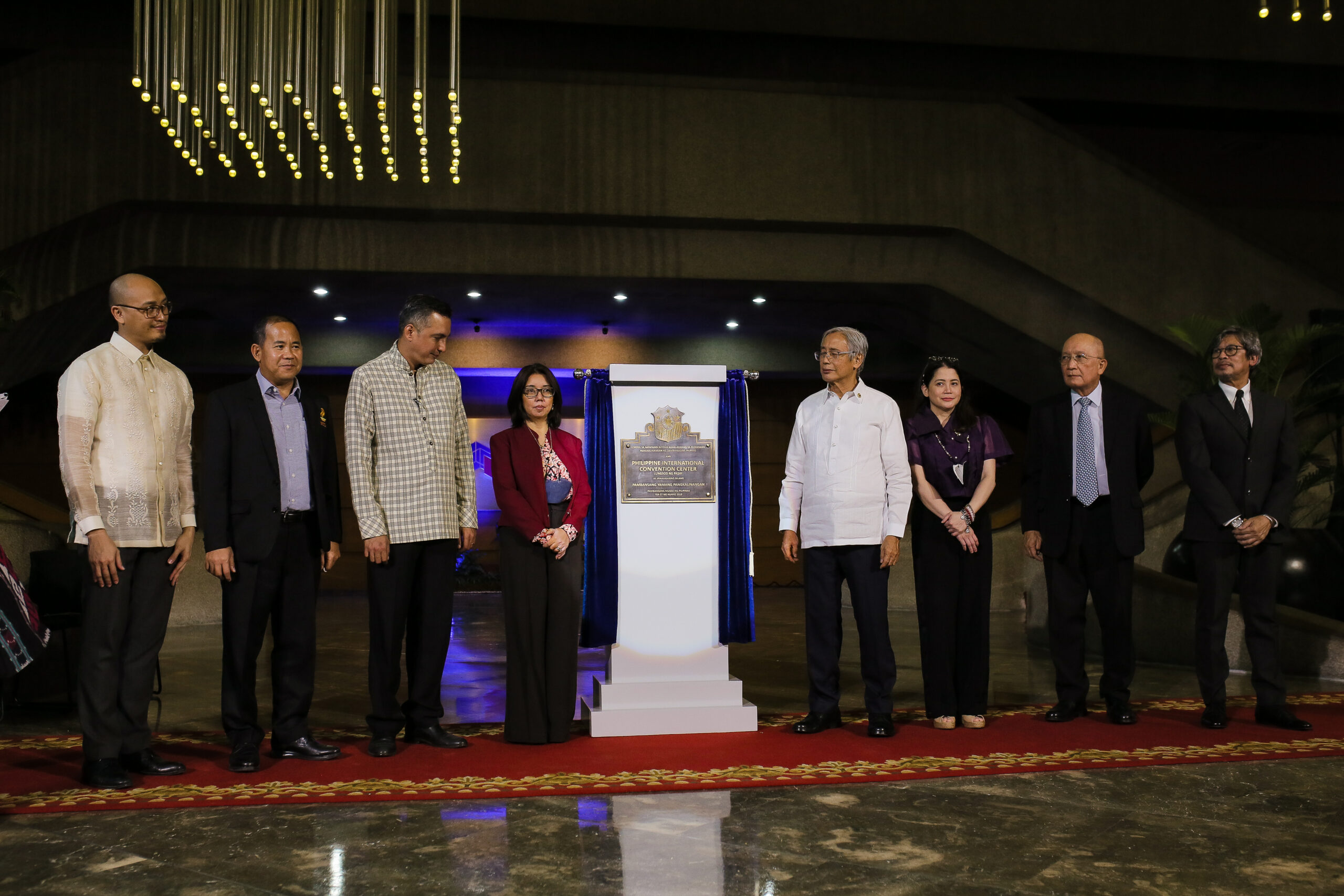
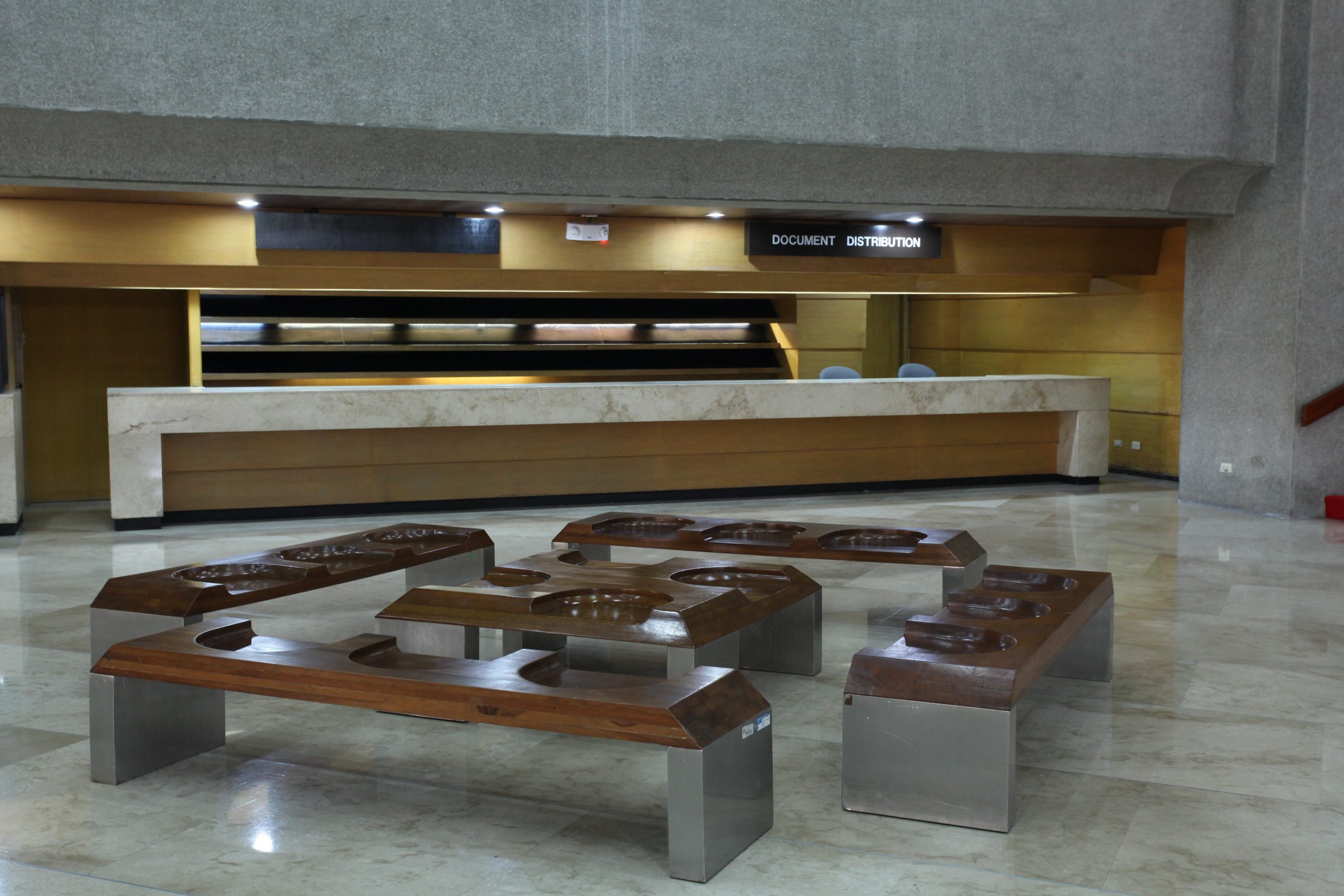
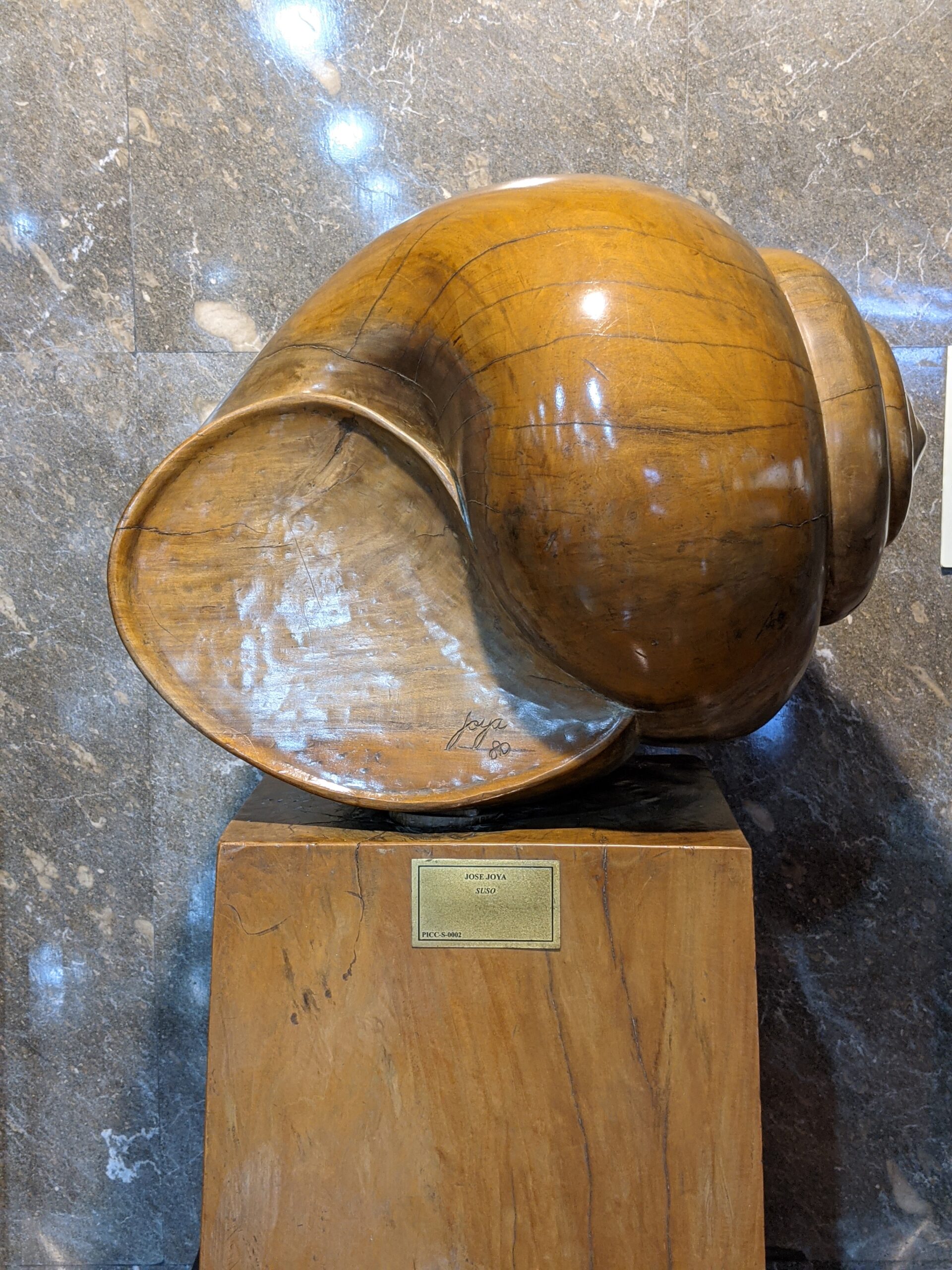
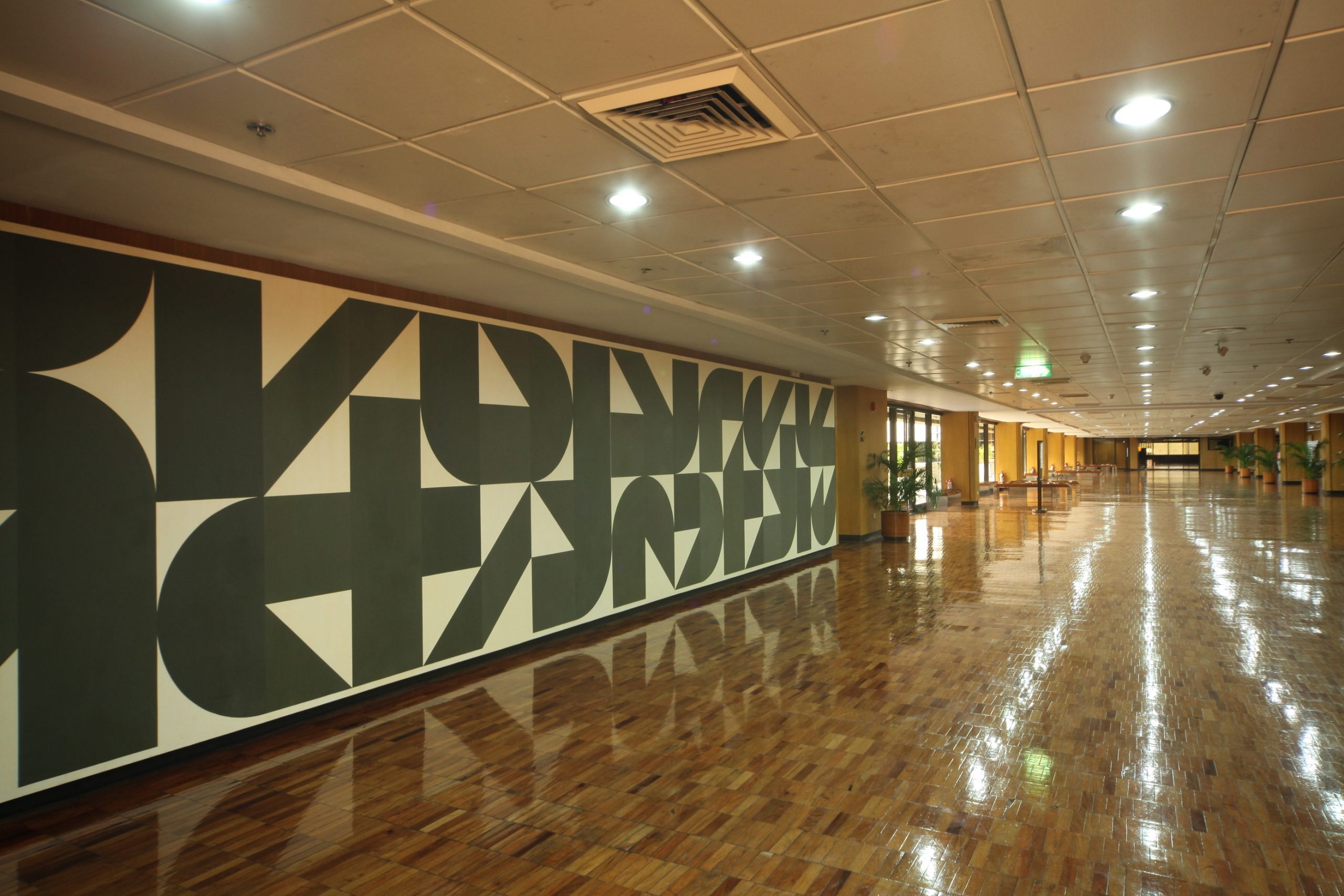
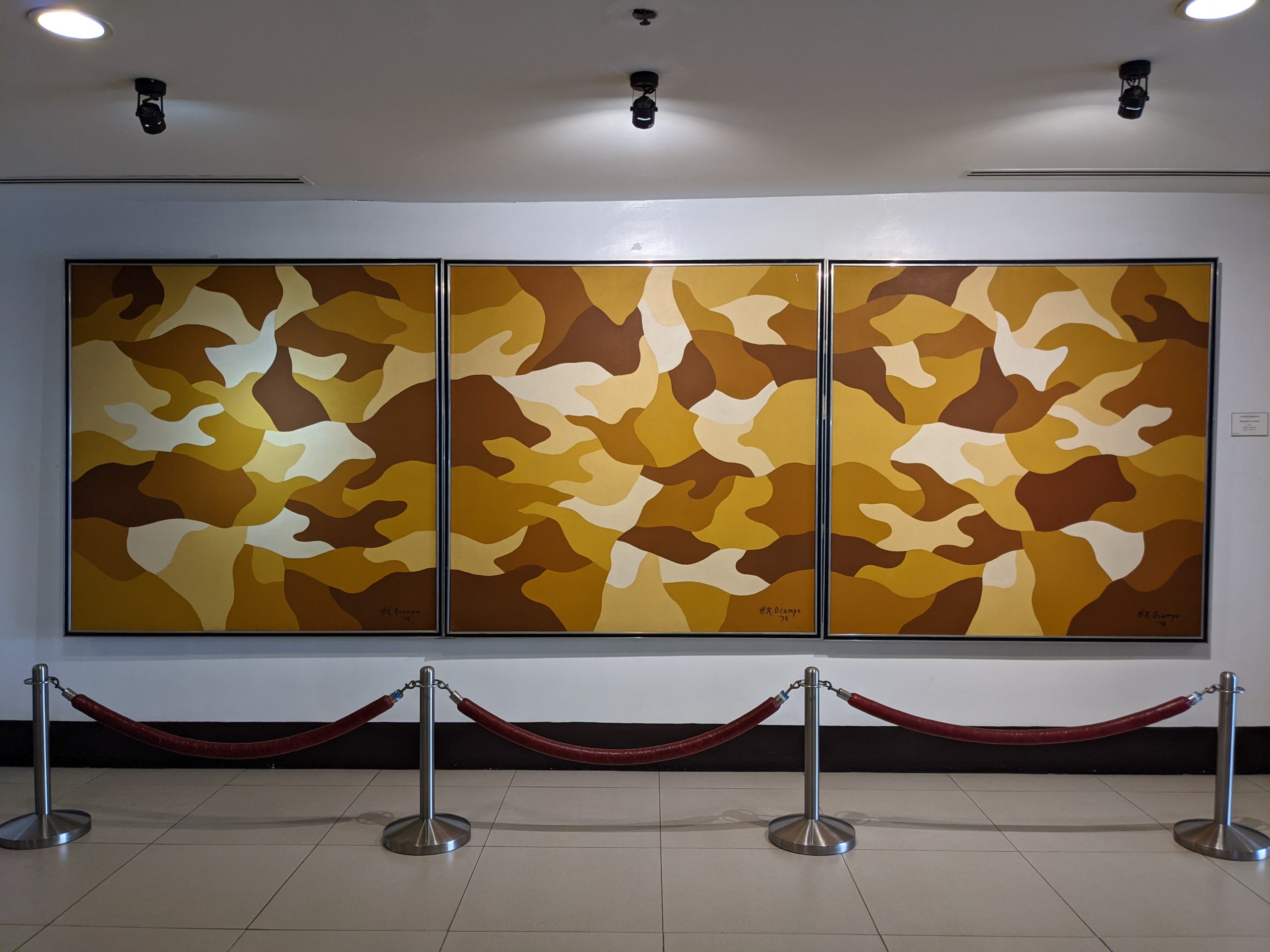
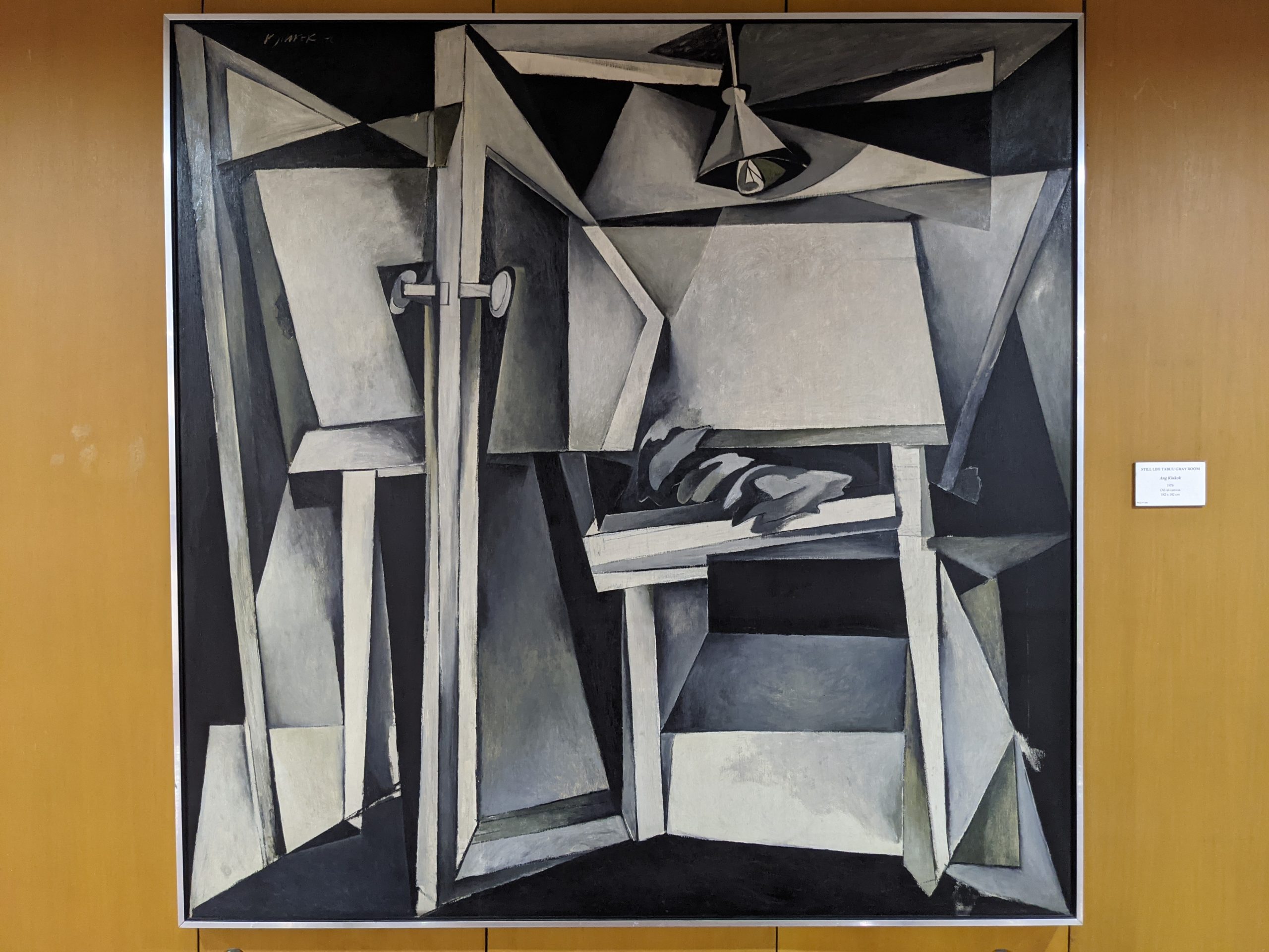
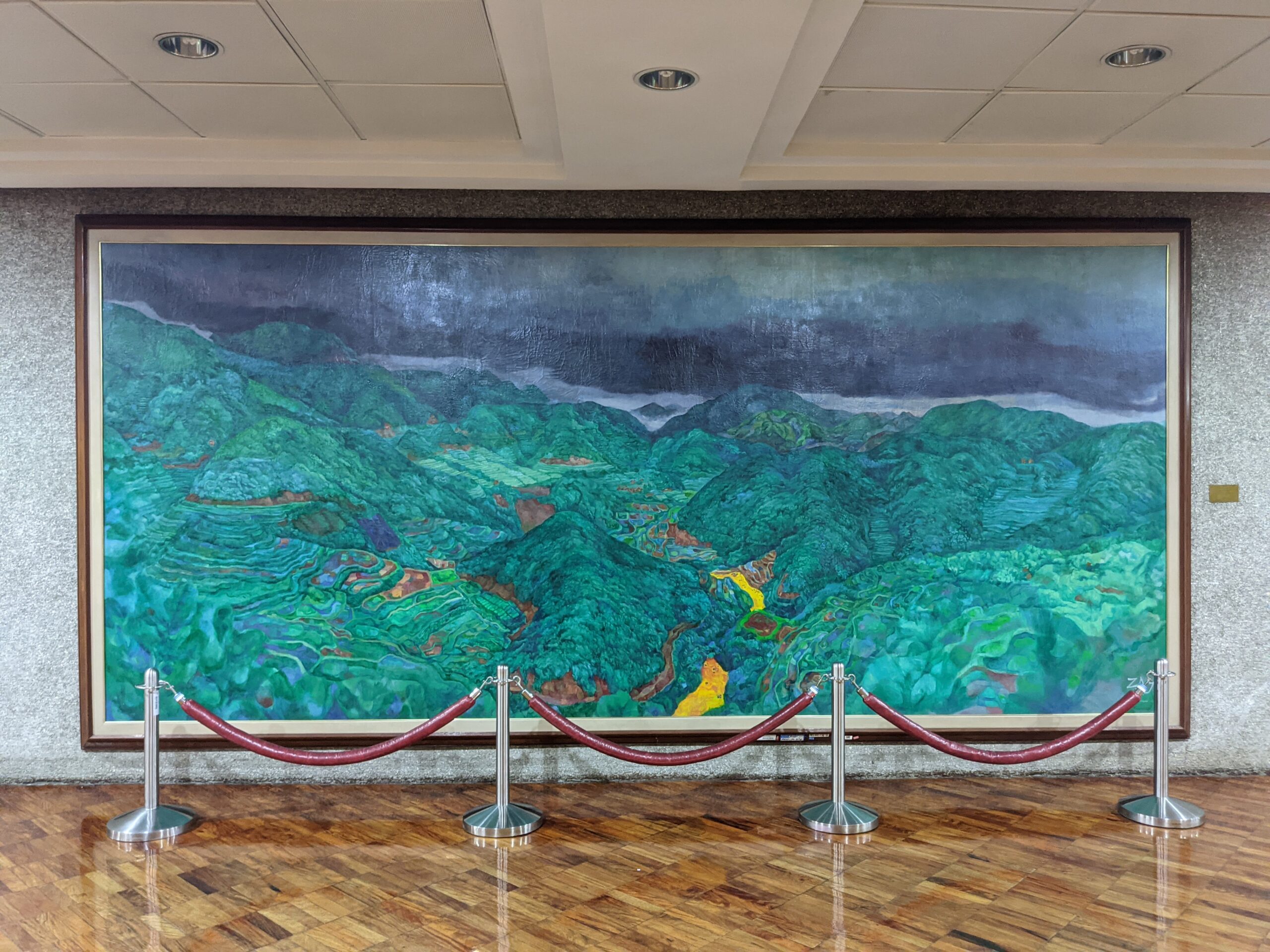
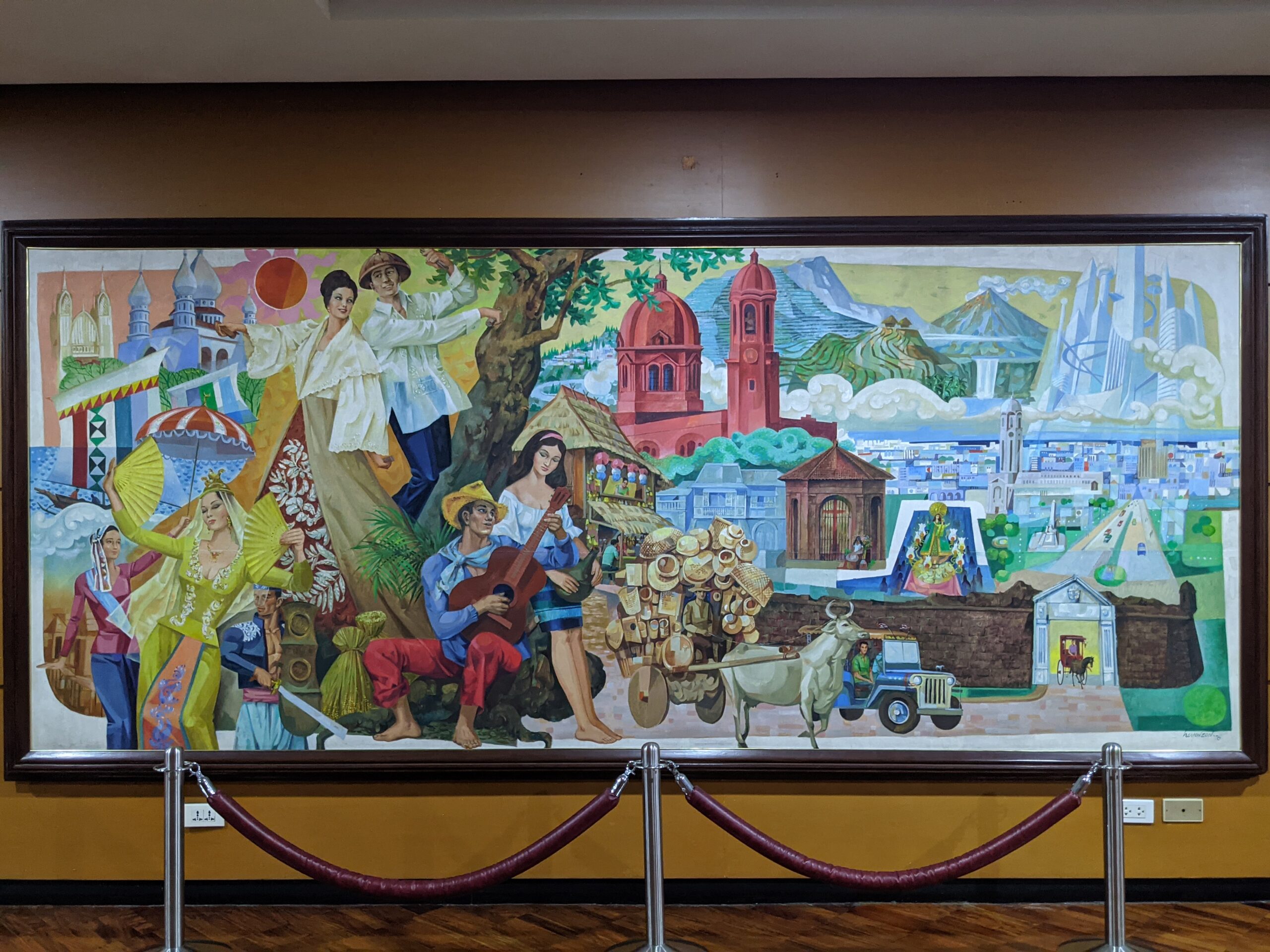
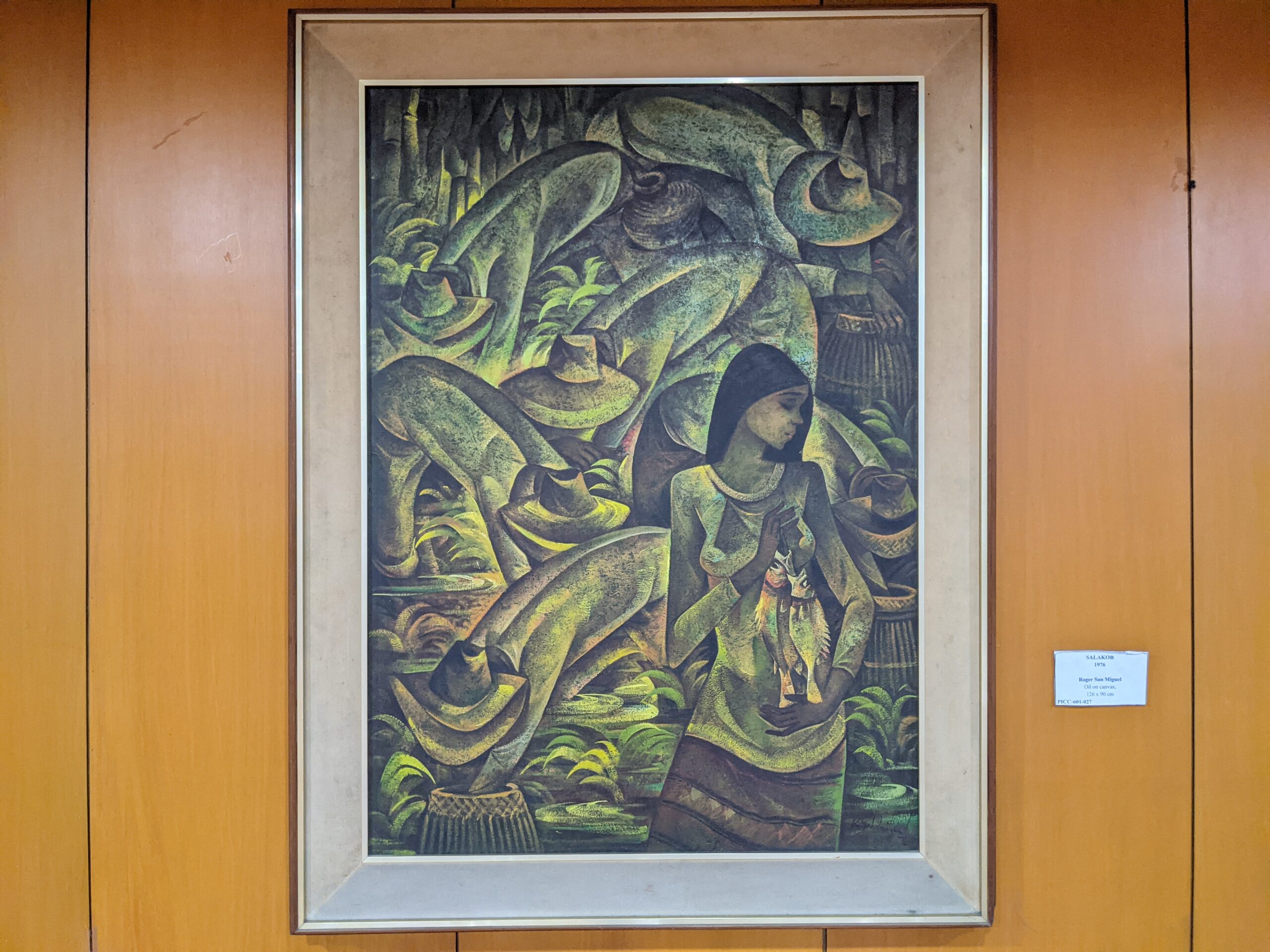
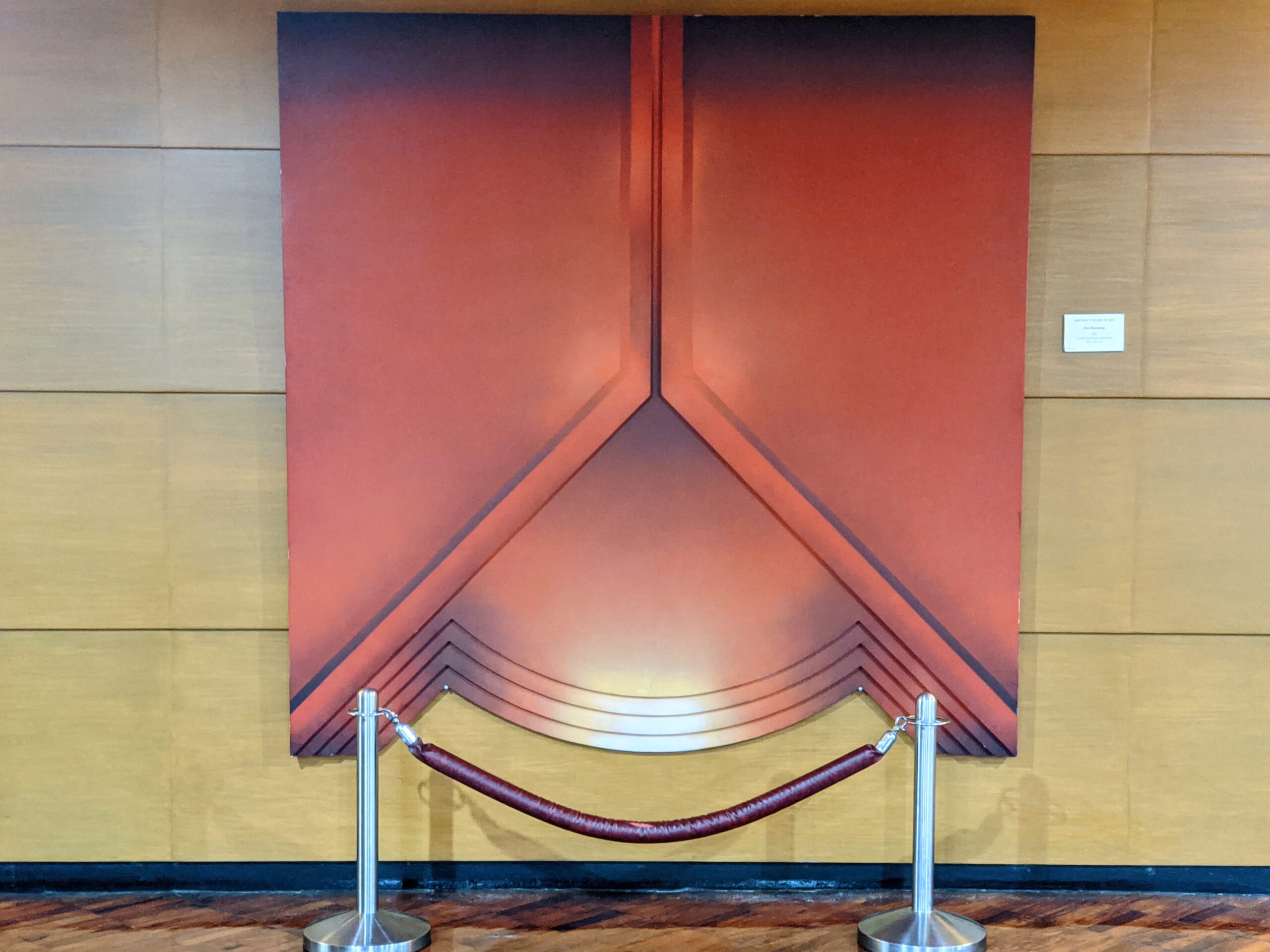
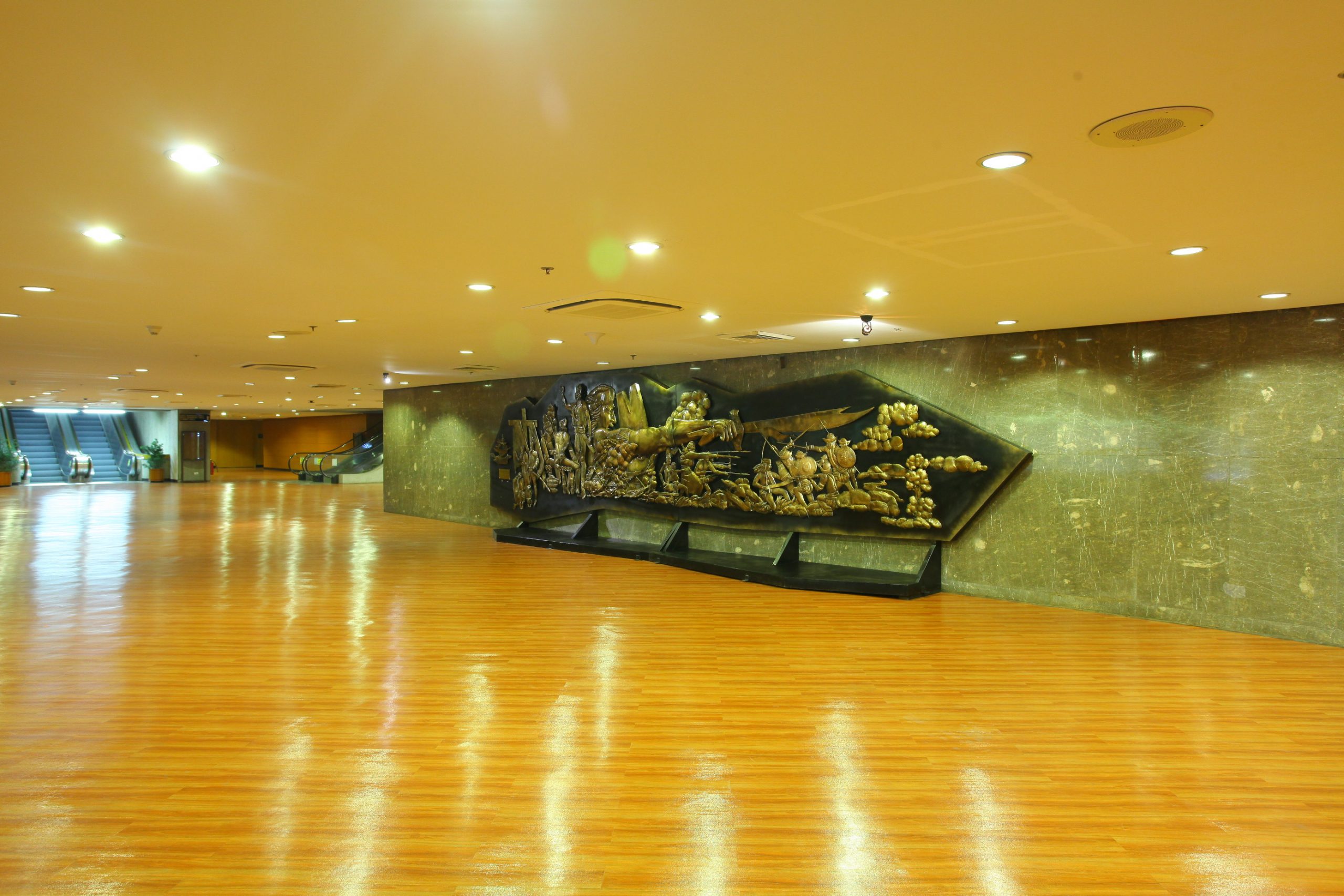
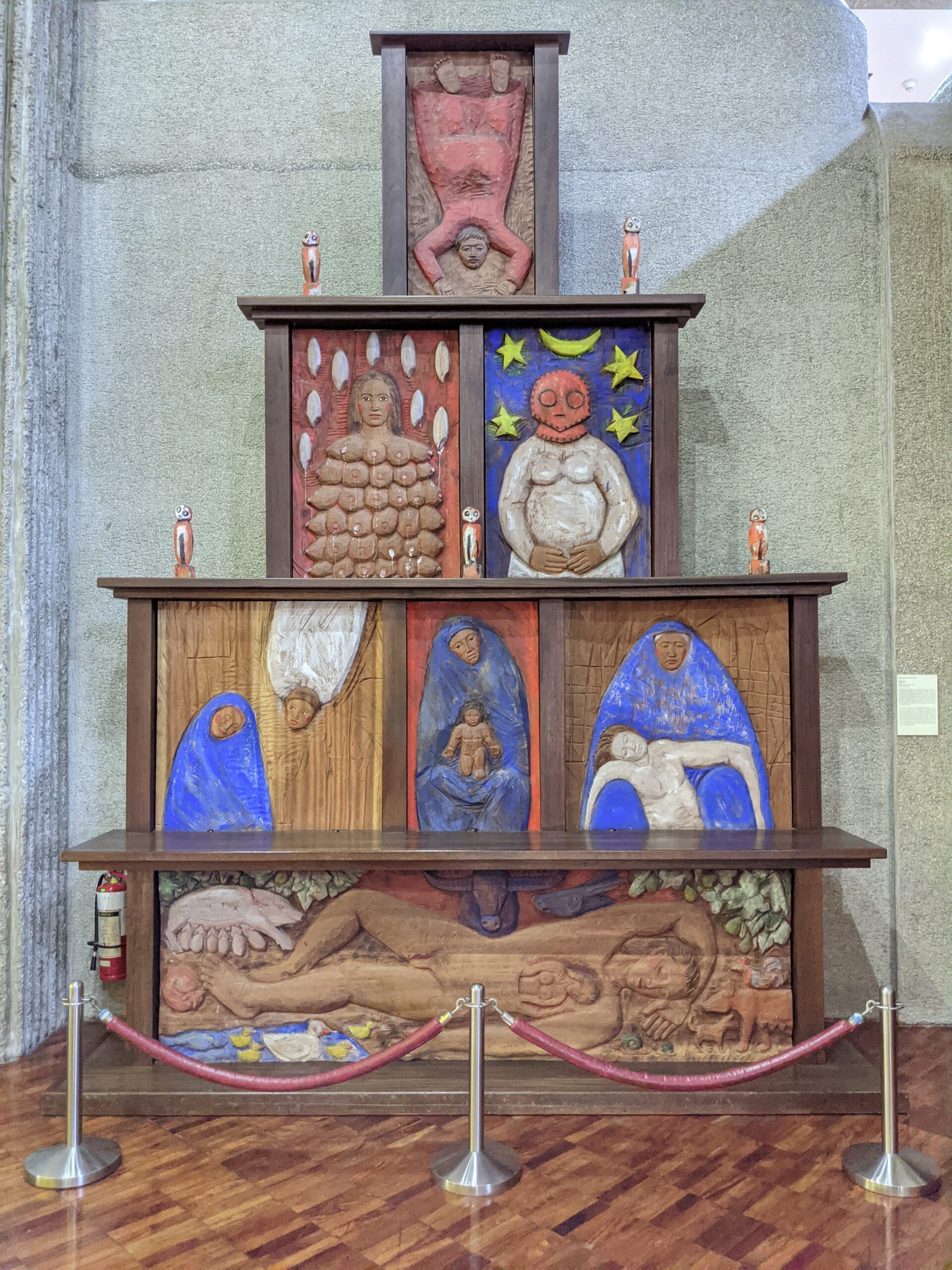
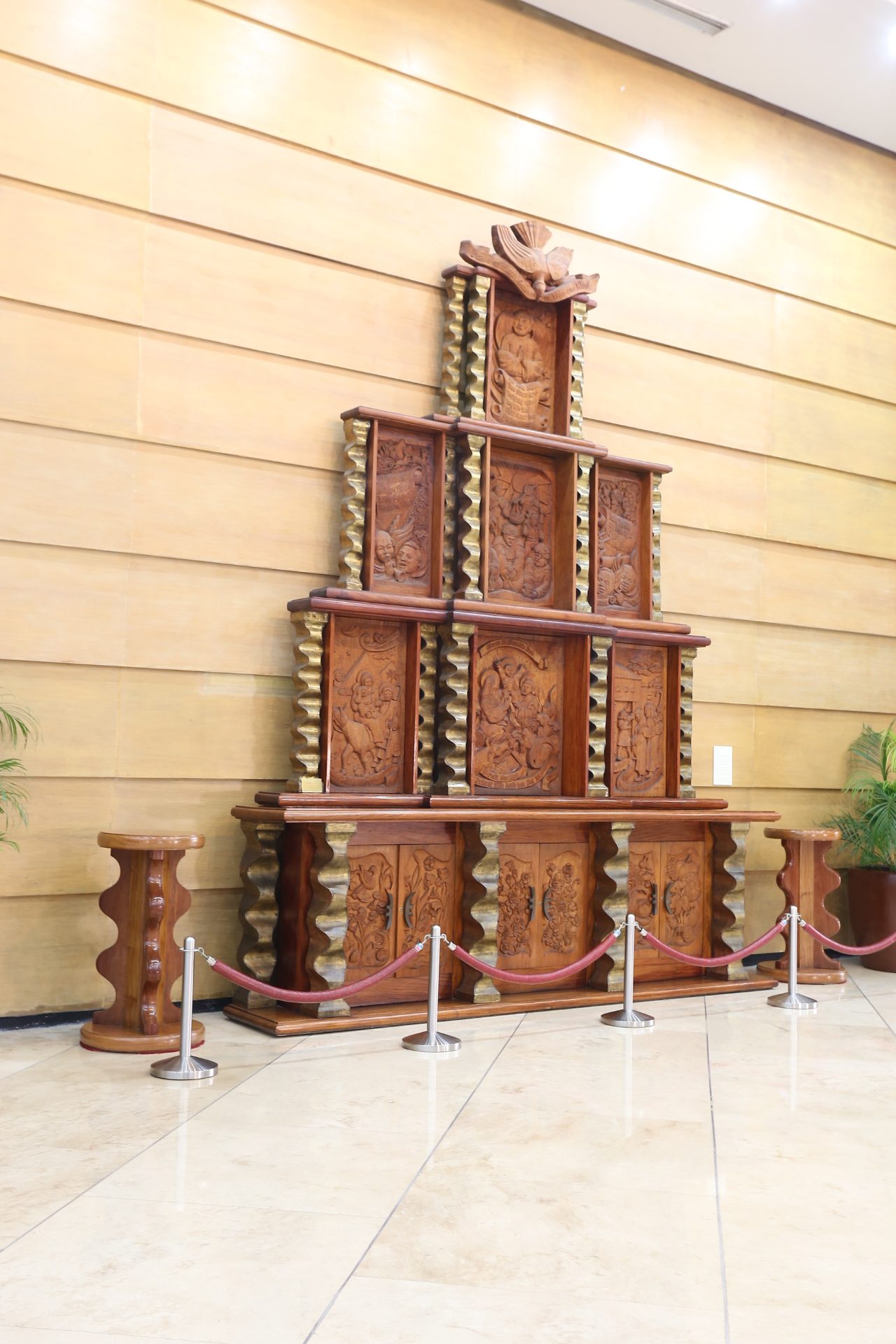
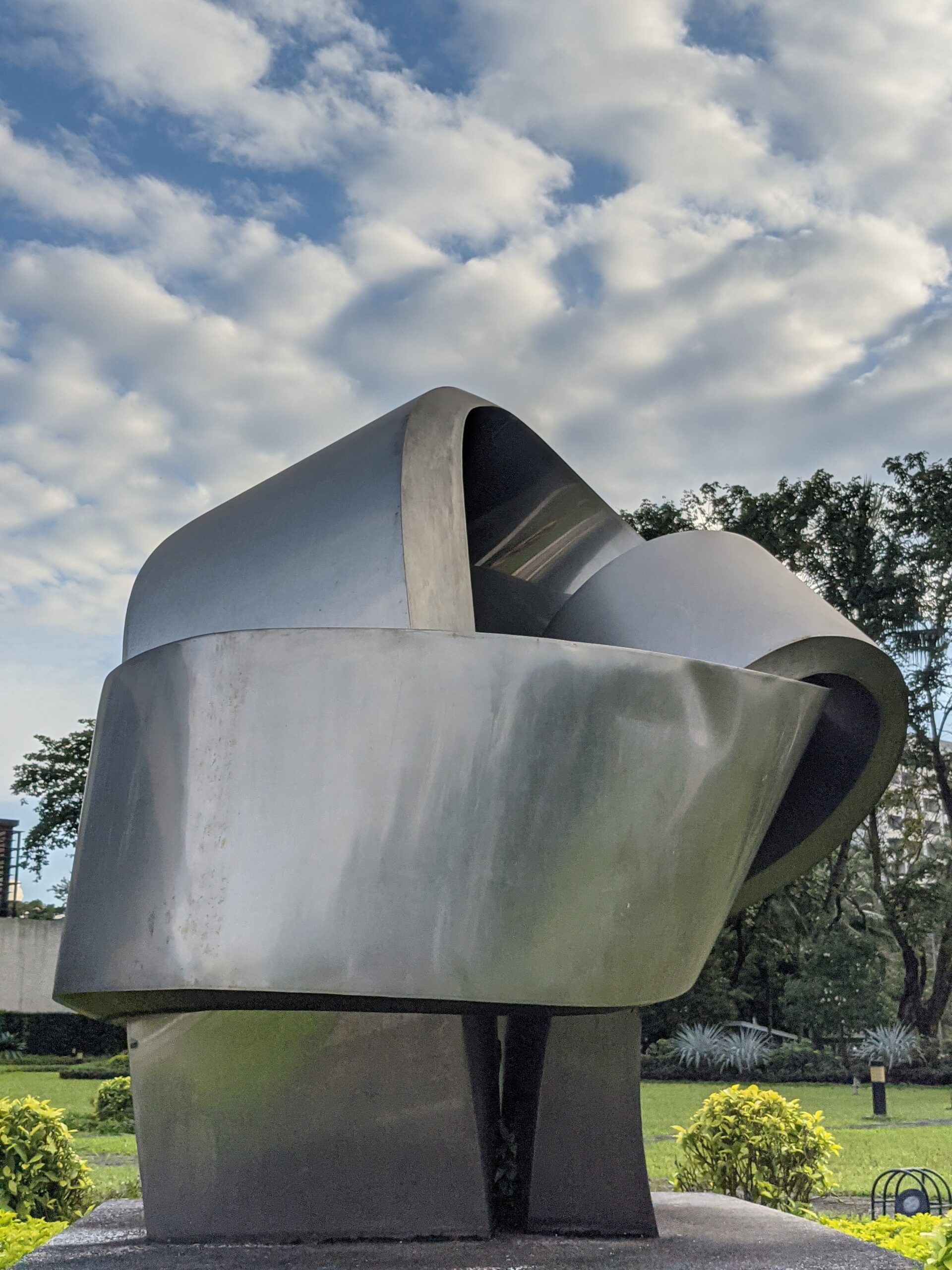
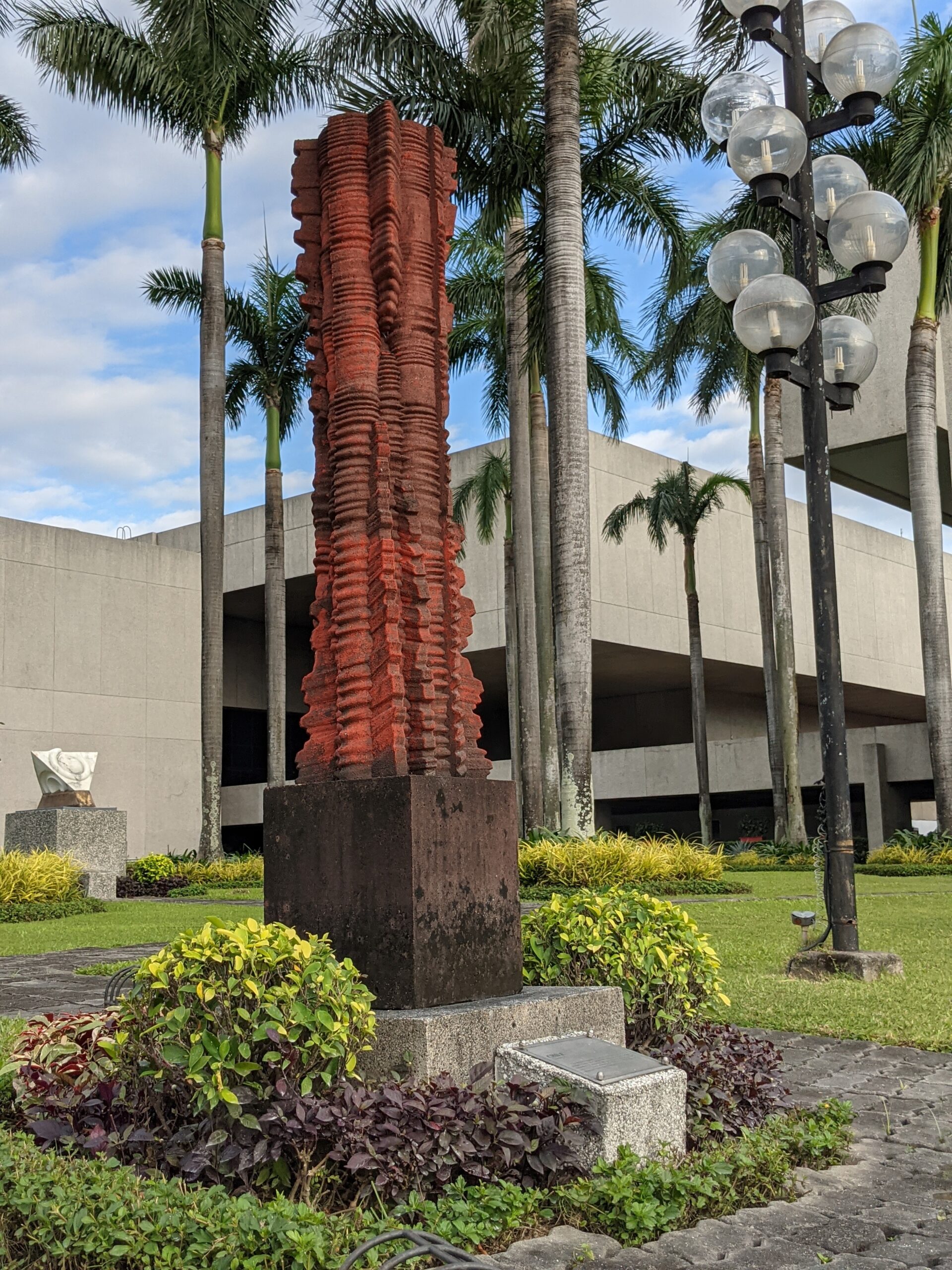
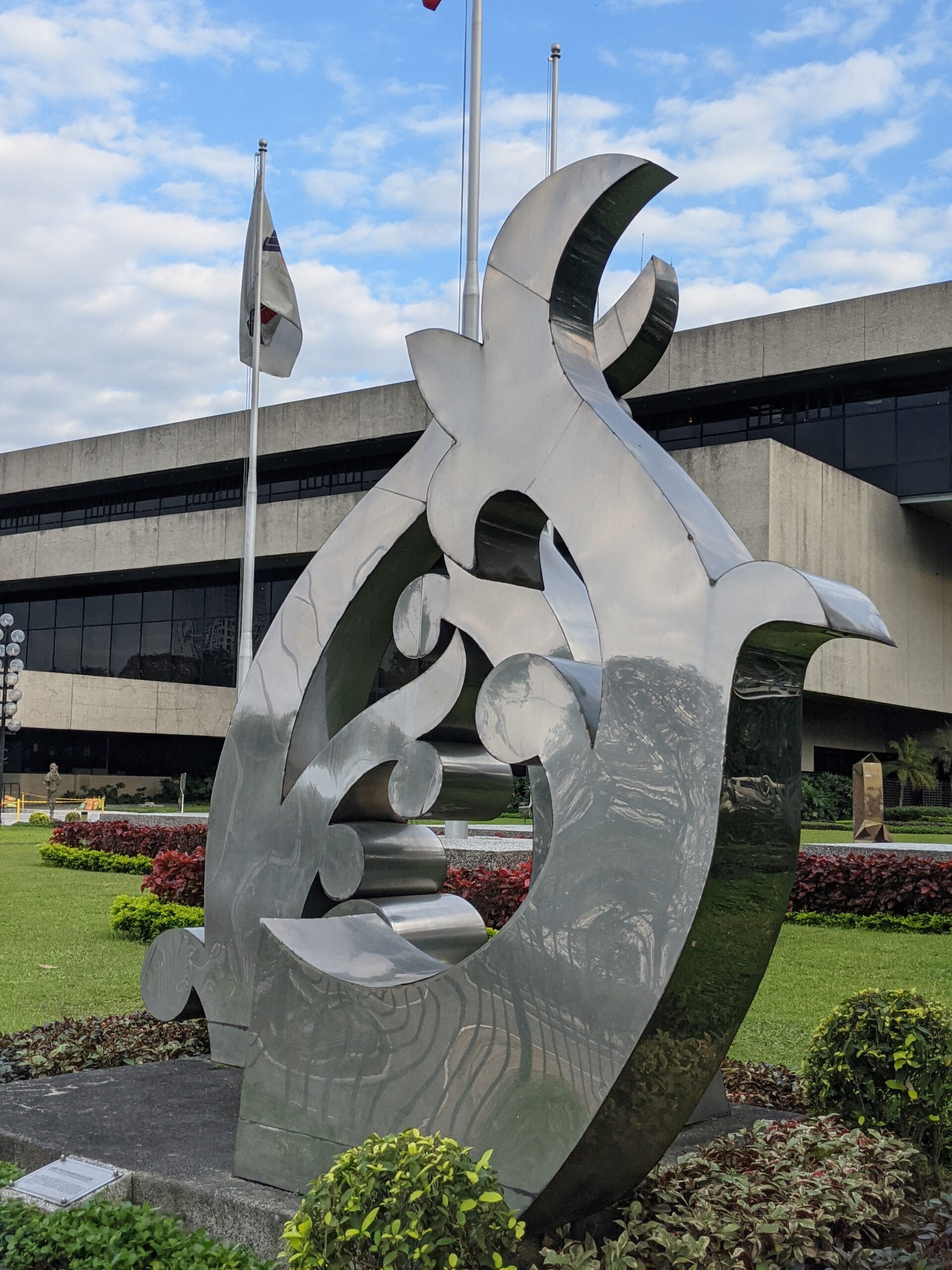
As Manila's premier event venue, the PICC is not only a heritage building and architectural icon but also a repository of masterpieces from some of the most prominent Filipino artists, including National Artists Jose Joya, Arturo Luz, Napoleon Abueva, Hernando R. Ocampo, Abdulmari Asia Imao, Ang Kiukok, and Carlos "Botong" Francisco. In fact, on June 27, 2019, the PICC Complex and its four intrinsic artworks, namely "Pagdiriwang" by Jose Joya, "Anito" and "Grid" by Arturo Luz, and the carved-wooden furniture by Napoleon Abueva, were recognized as National Cultural Treasures by a Panel of Experts convened by the National Museum of the Philippines and confirmed by the Director-General of the National Museum. A National Cultural Treasure refers to a "unique object found locally, possessing outstanding historical, cultural, artistic, and/or scientific value which is significant to the country and nation." Additionally, the APEC Sculpture Garden, a collection of 20 sculptures representing each member-economy of the Asia Pacific Economic Cooperation, is situated on the front lawn of the Delegation Building.
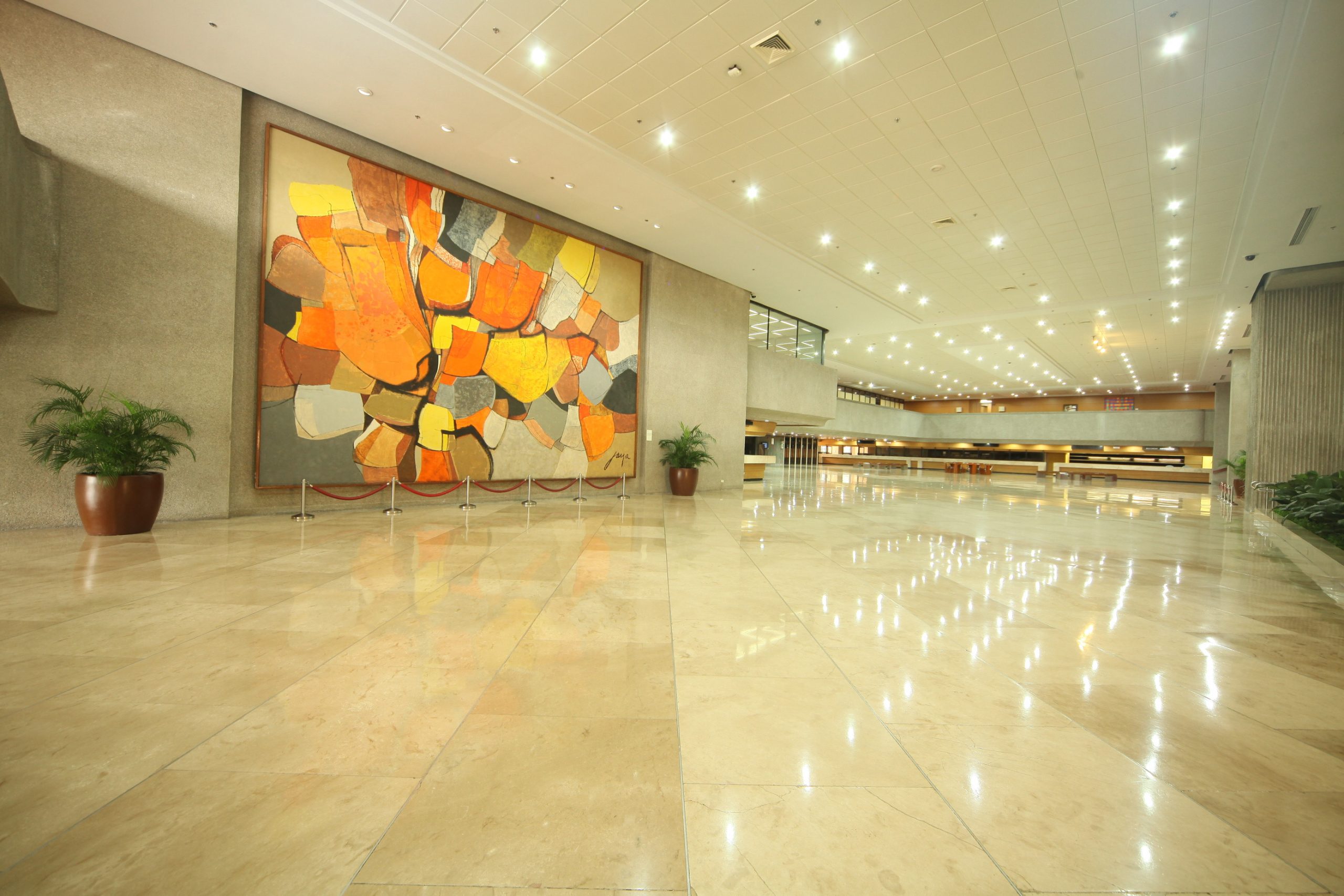
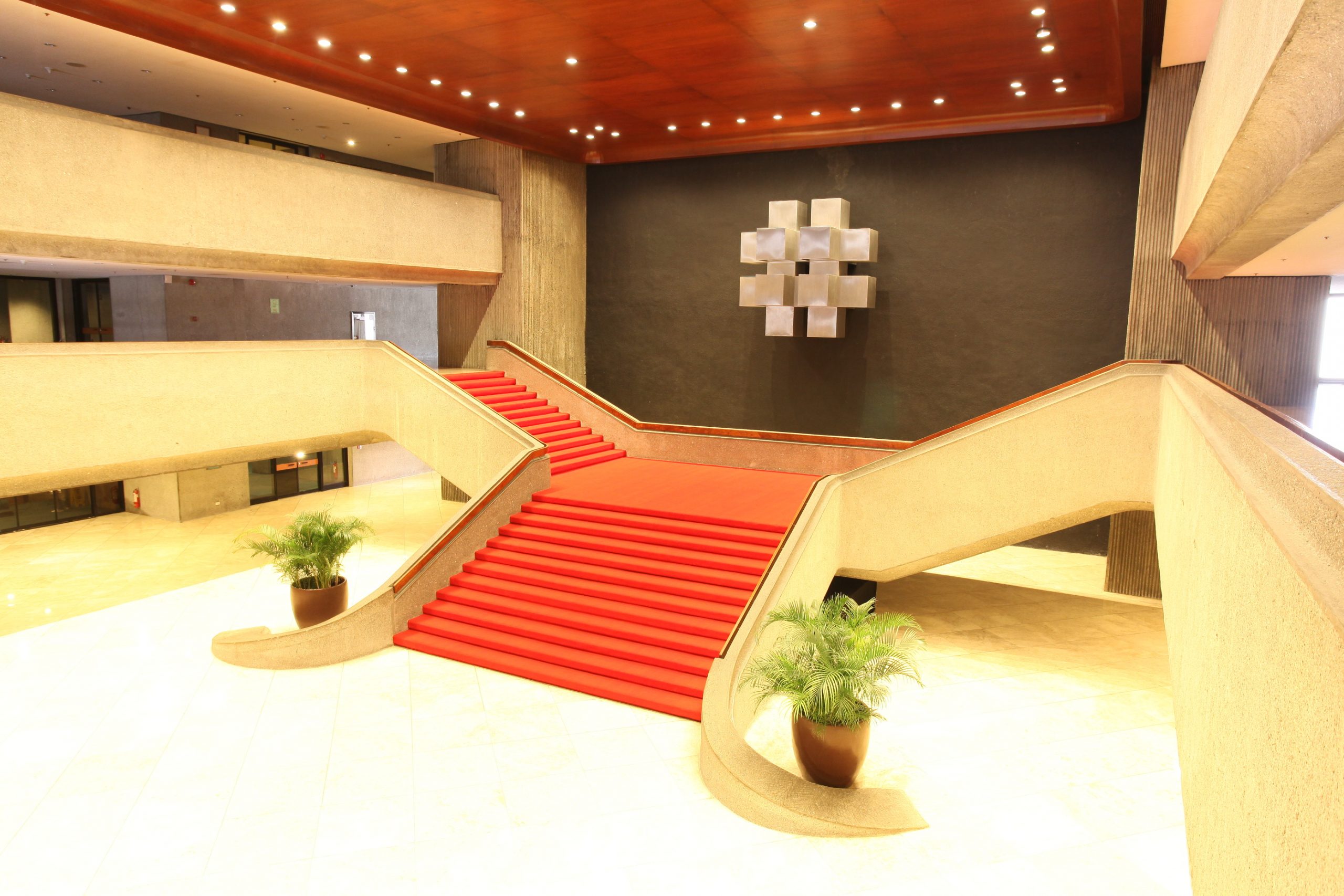
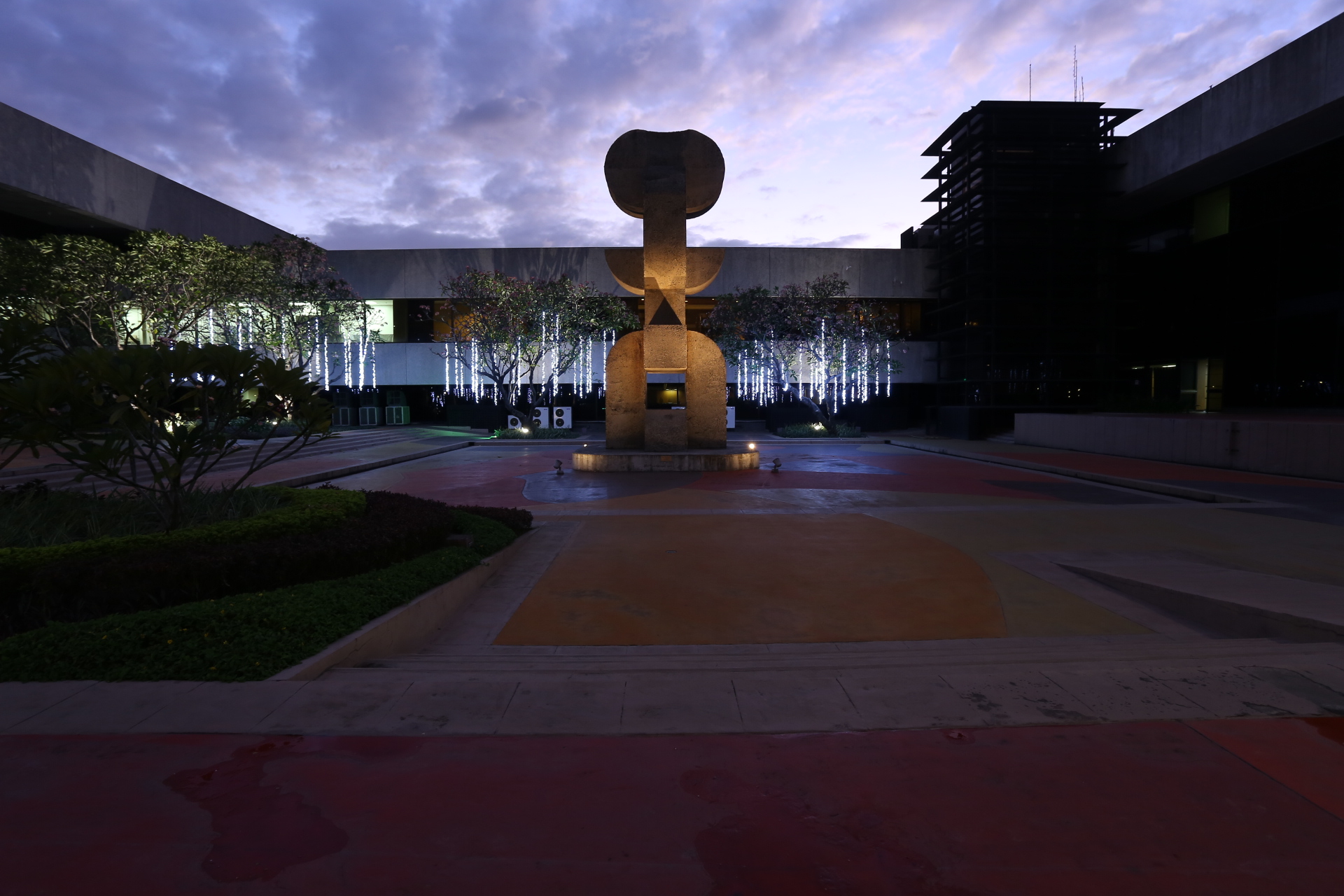



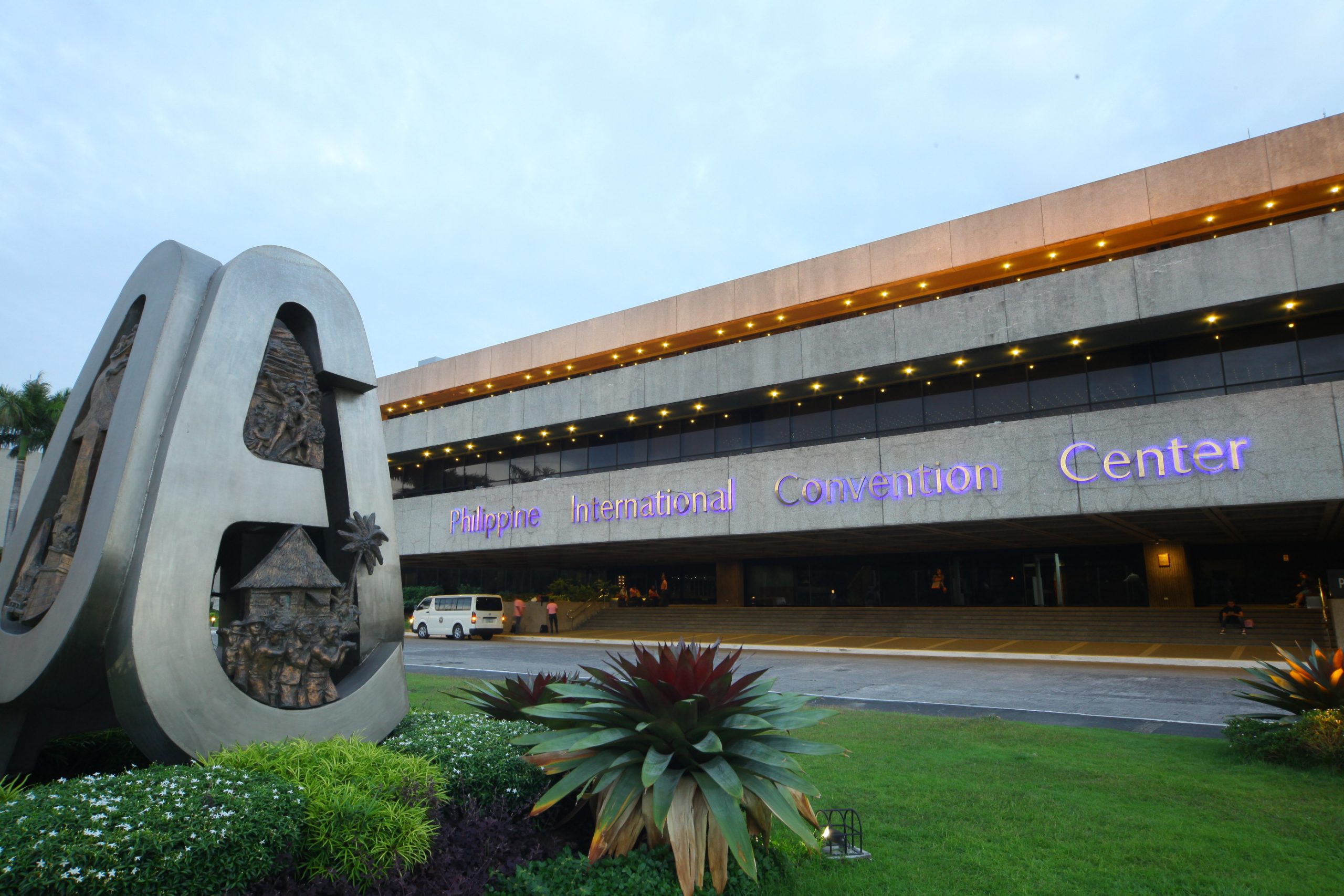
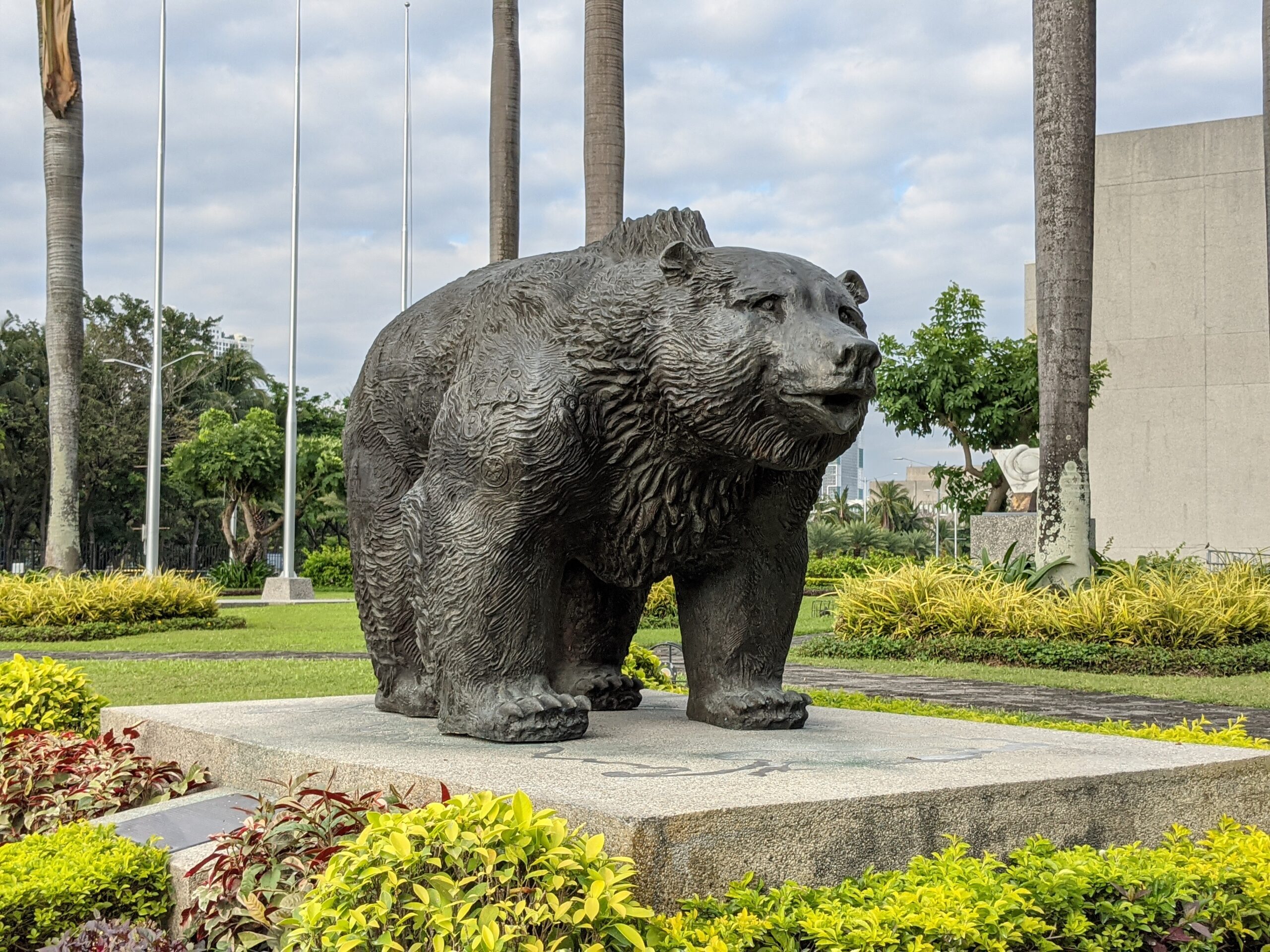
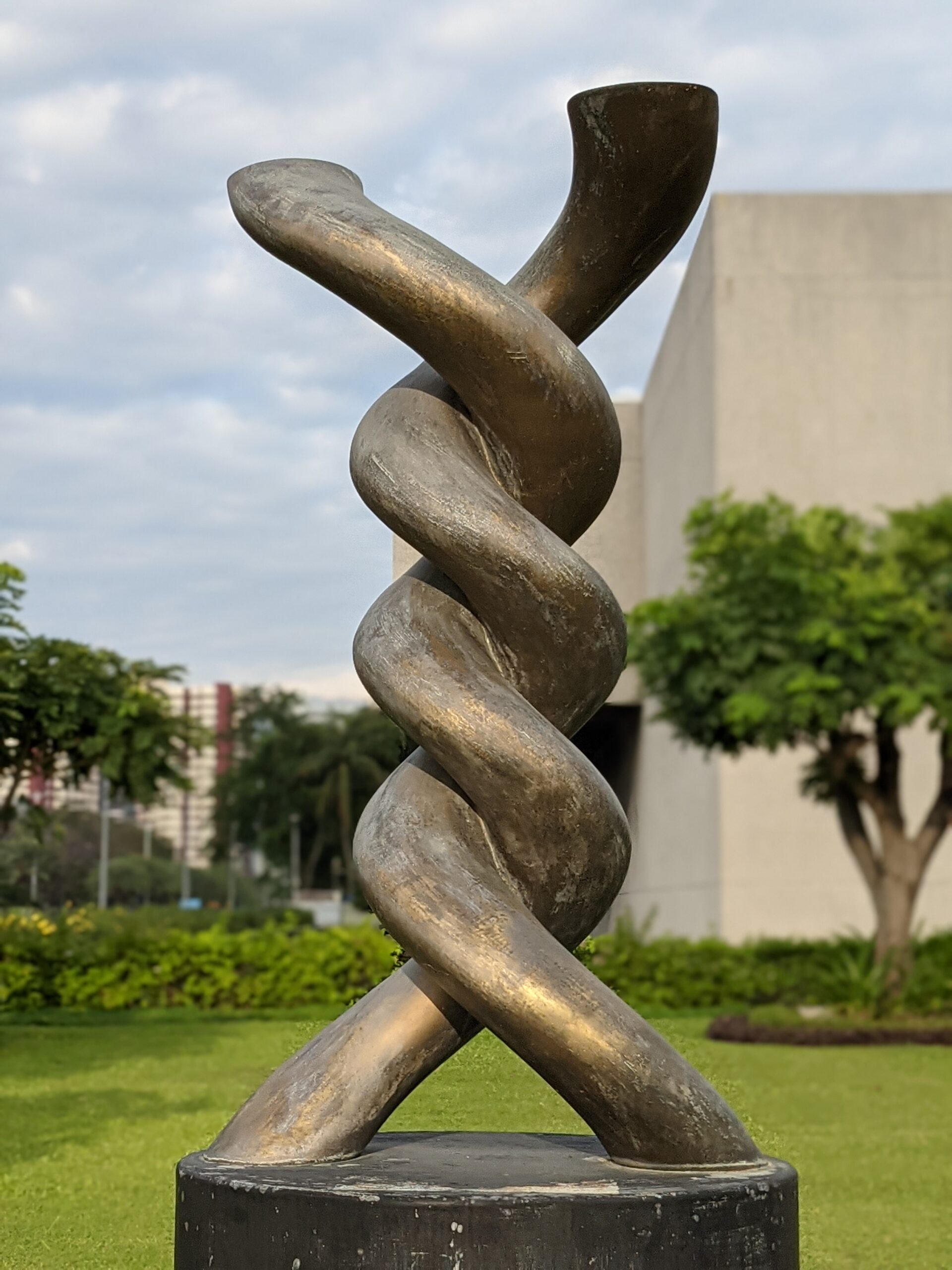
The massive complex is located along the scenic Manila Bay, spanning more than 70,000 square meters of floor area. It is comprised of five (5) building modules— the Delegation Building, Secretariat Building, Plenary Hall, Reception Hall, and The Forum. Each structure can be transformed into the perfect setting for any event.
The Center is well-secured round the clock. It has ample parking spaces within and around its vicinity. It has a medical clinic, nursing station, and ATMs. It is equipped with ramps and elevators for the physically challenged.
It adapts environmental programs such as energy efficiency, water conservation, waste management, and other environmental practices in air quality, buildings & lawns, food & beverage services, transportation, general office procedures and communications, training & capability building and purchasing & contract compliance. PICC continuously evaluates existing practices and looks for new and better alternatives that support sustainability and lessen environmental impact.
The attendance or participation of the children shall be clearly stated in the event program and/or advised by the Organizer that their entry is allowed.
The attendance or participation of the children shall be clearly stated in the event program and/or advised by the Organizer that their entry is allowed; and must have prior approval by PICC Management.
The children must be accompanied by their parents or guardians, and the same parents or guardians shall sign the waiver prior to entry to PICC.
Events other than those listed above wherein Organizer intends to allow children below seven (7) years old must have prior PICC Management’s approval before an announcement is made by Organizer to attendees that entry of said children is allowed.
Specific to Graduations, Oath-Taking Ceremonies, Investitures and Similar Ceremonies In addition to the abovementioned rules, the following shall apply to graduations, oath-taking ceremonies, investitures and similar ceremonies: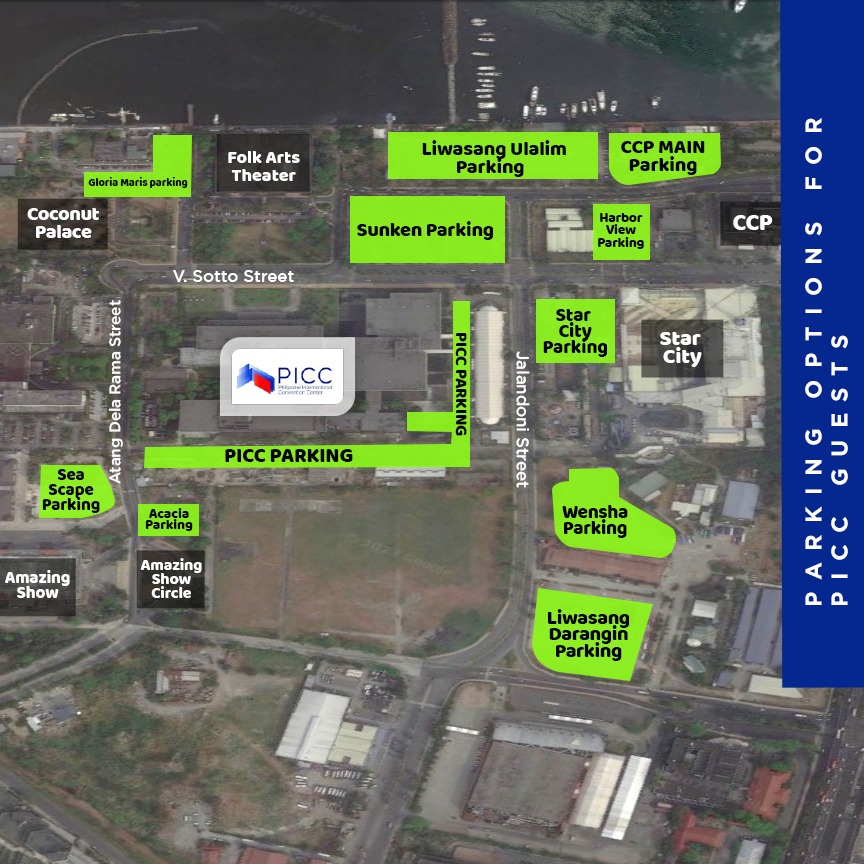








All content is in the public domain unless otherwise stated.
